


.svg)

.png)
Security is one of those subjects where the news reaches you already broken. A company you use gets breached, a headline announces it, and by then the interesting part is over. The people who saw it coming were talking about it weeks earlier, usually on LinkedIn, and usually in public.
This is a list of those people. Some are chief security officers at very large companies. Some break into organizations for a living and film themselves doing it. Some are reporters who have been covering cybercrime longer than most security vendors have existed. What they share is that they publish, they explain their reasoning, and you can follow them for free.
One thing worth saying up front. Lists like this go stale fast, because security job titles change constantly and accounts go quiet. This one was rebuilt in 2026: every profile was opened and checked, every role confirmed against what the person says they do now, and anyone who had stopped posting was taken off.
They are grouped into six areas, so you can start with whichever is closest to your work:
- Security Leadership & Strategy
- Threat Research & Technical Security
- Human Factors & Security Culture
- Government & Policy
- Career Development & Mentoring
- Cybersecurity Journalism & Research
Security Leadership & Strategy
These are the people who have run security for large organizations and now write about the decisions that come before any of the technology.
Wendy Nather
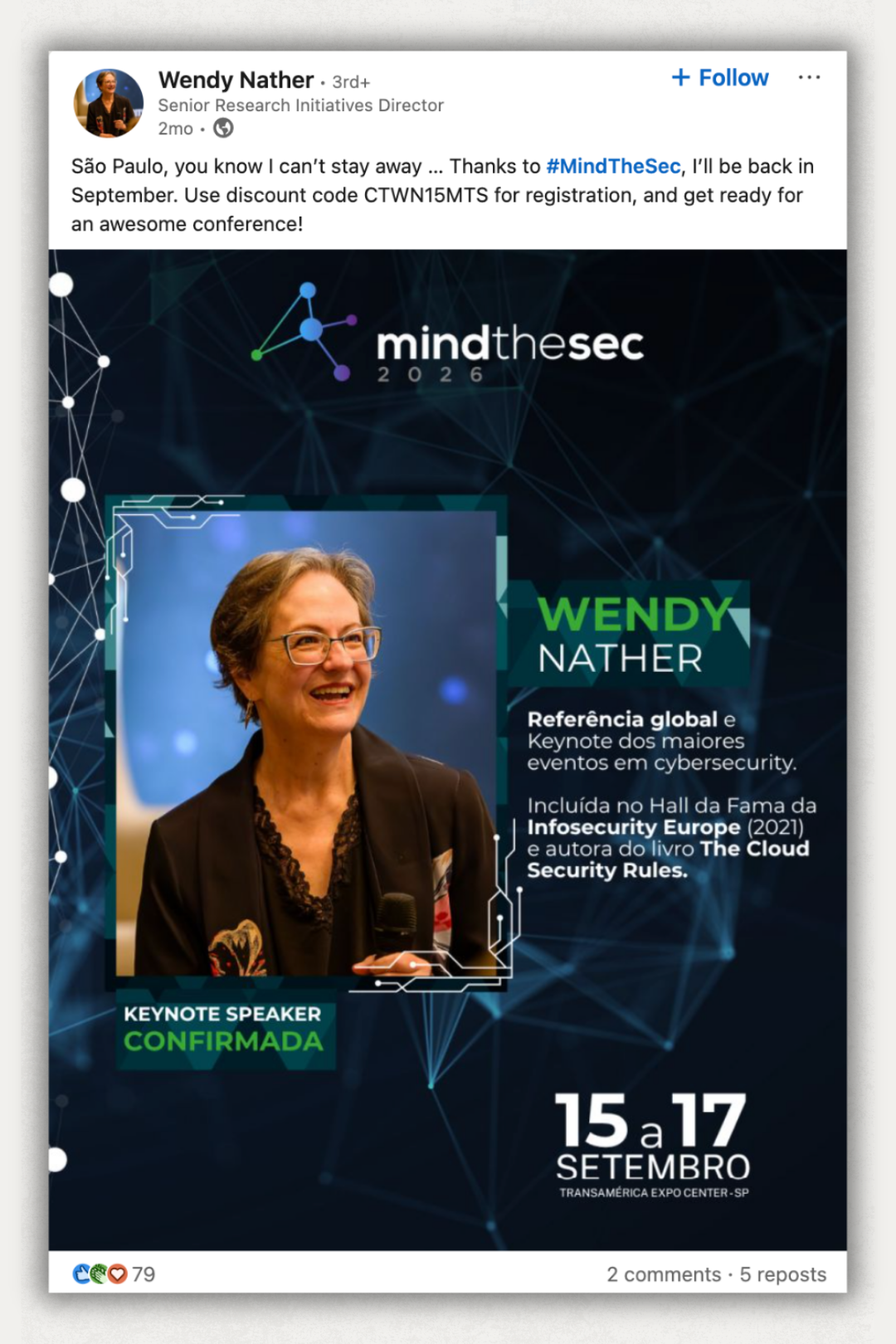
Wendy Nather has spent her career on both sides of the problem. She ran IT security for a Swiss bank and for the Texas Education Agency, later led the team at Cisco that advised other companies' security chiefs, and now works at 1Password.
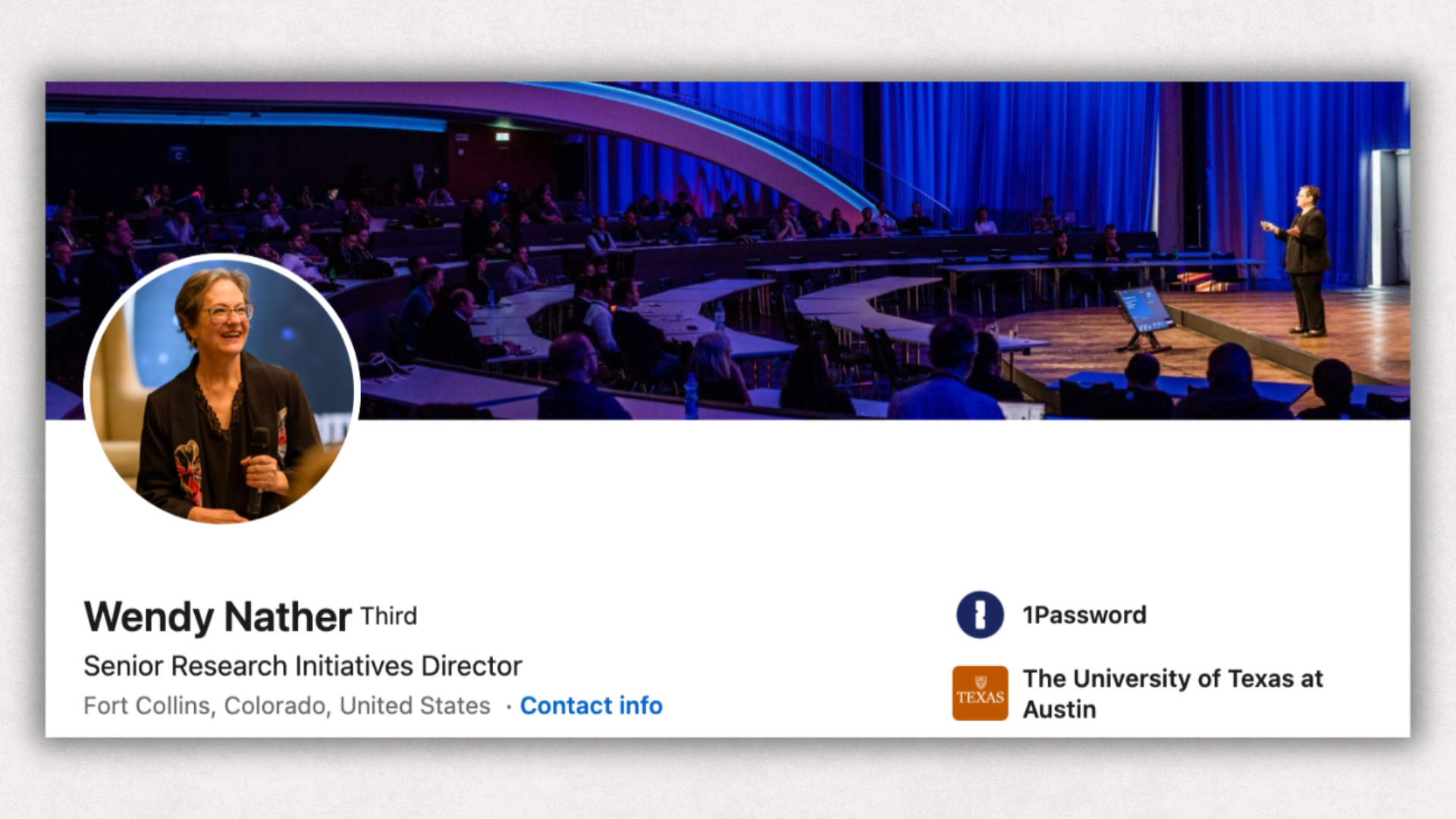
She is best known for naming the security poverty line: the point below which an organization simply cannot defend itself, because it lacks the money, the people, the tools, or the influence to do so.
Why follow Wendy?
- Most security advice quietly assumes you are above that line. A great deal of the economy is not, and she writes for the part that is not.
- Her current subject is AI that takes actions on your behalf, and what it means to control something that does not behave the same way twice.
- She has seen enough hype cycles to call one. She has compared this year's AI security market to the cloud frenzy of 2011, which is a comparison only available from someone who sold into the last one.
Michael Coates
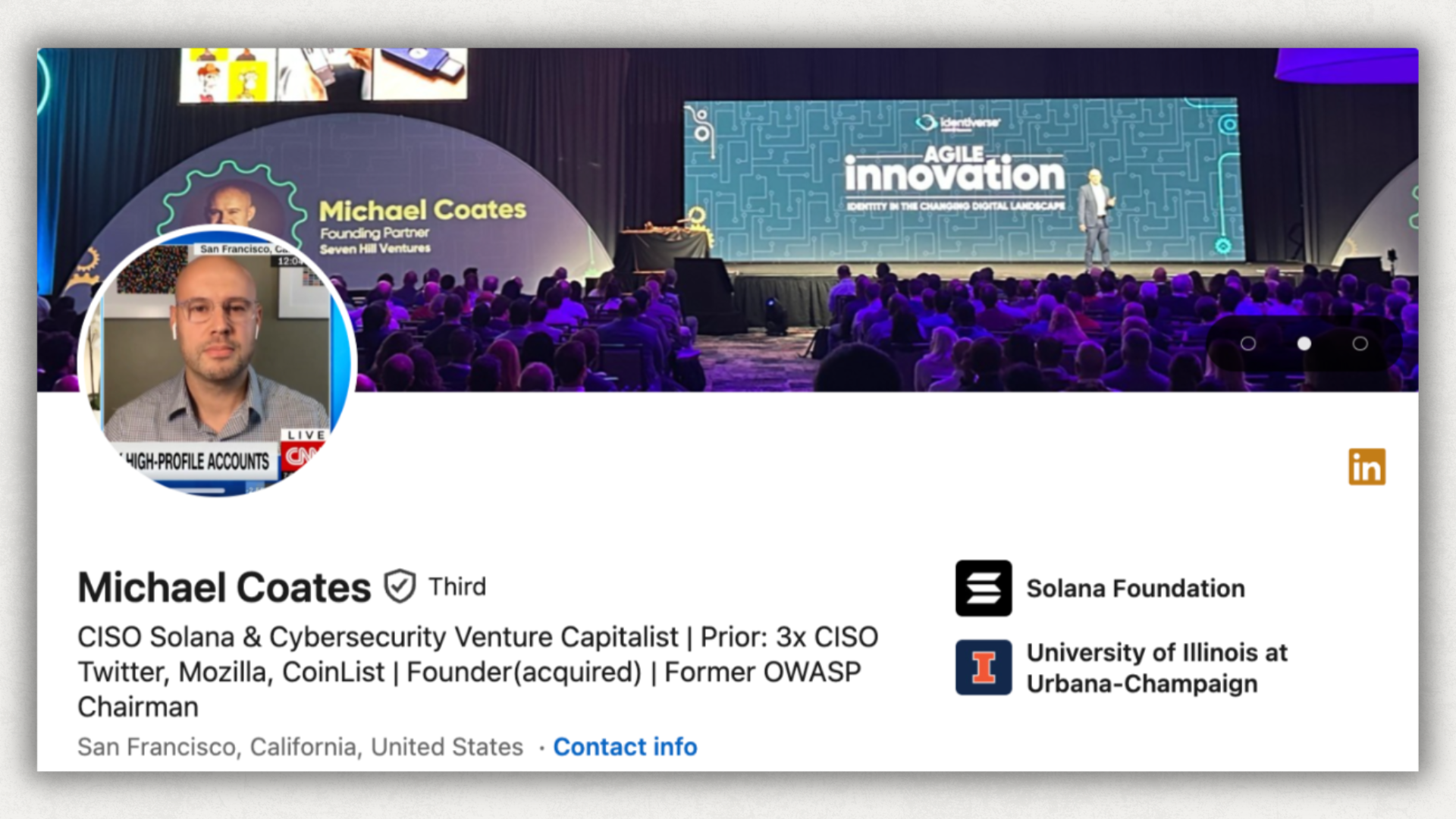
Michael Coates has a habit of joining organizations at their most chaotic moment. He was head of security at Mozilla during the browser wars, the first-ever chief security officer at Twitter, and he recently became CISO at the Solana Foundation.
Why follow Michael?
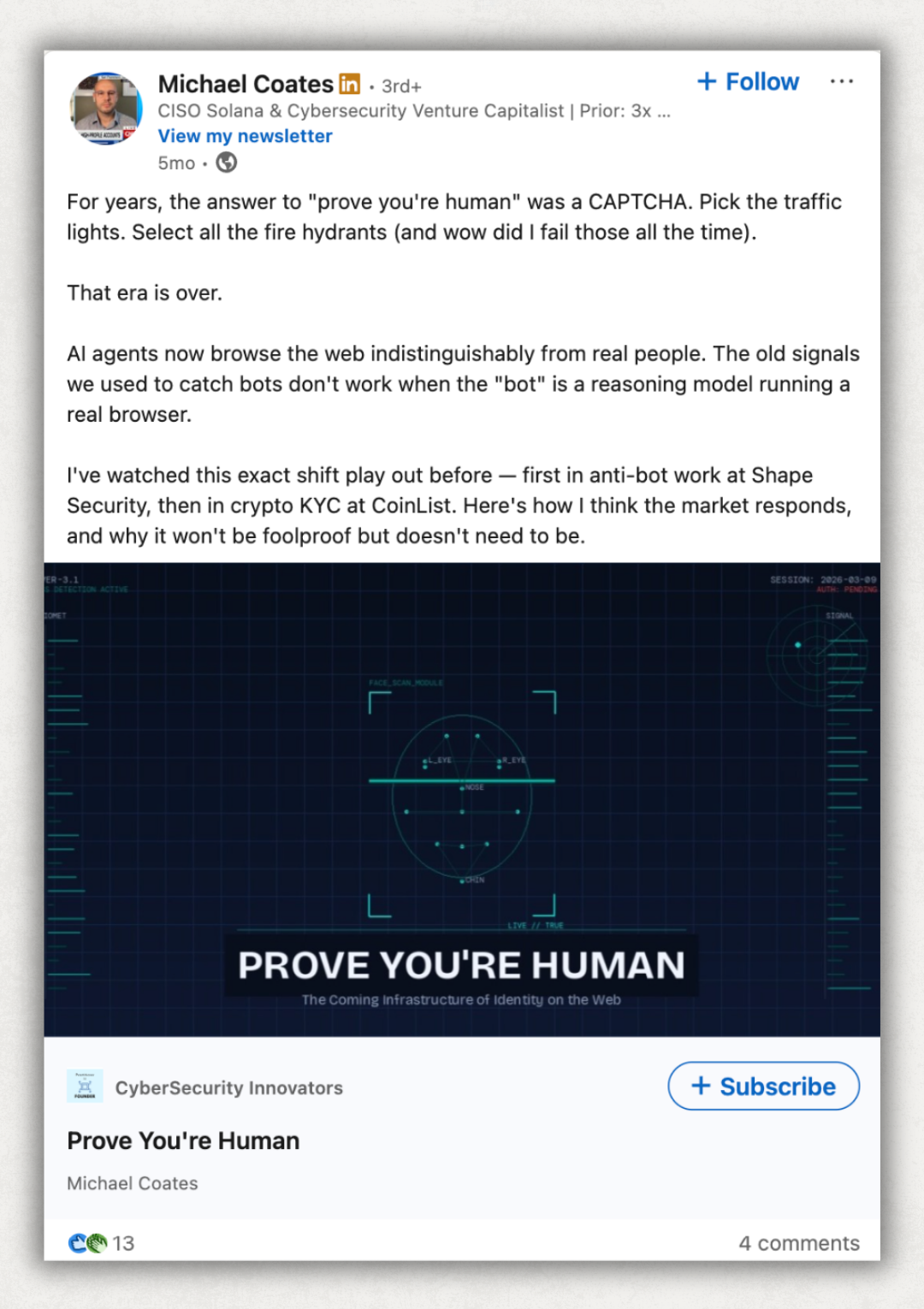
- He explains the pattern behind those moves, and why he keeps choosing places where nobody has worked out the rules yet.
- Some of what he covers is really politics rather than technology, like the growing fight over datacentres and why Russia and China each have reasons to keep it going.
- He has a firm view on writing with AI: outsourcing your thinking to a machine shows, and it does not make you look clever. Worth reading if you post under your own name.
Phil Venables
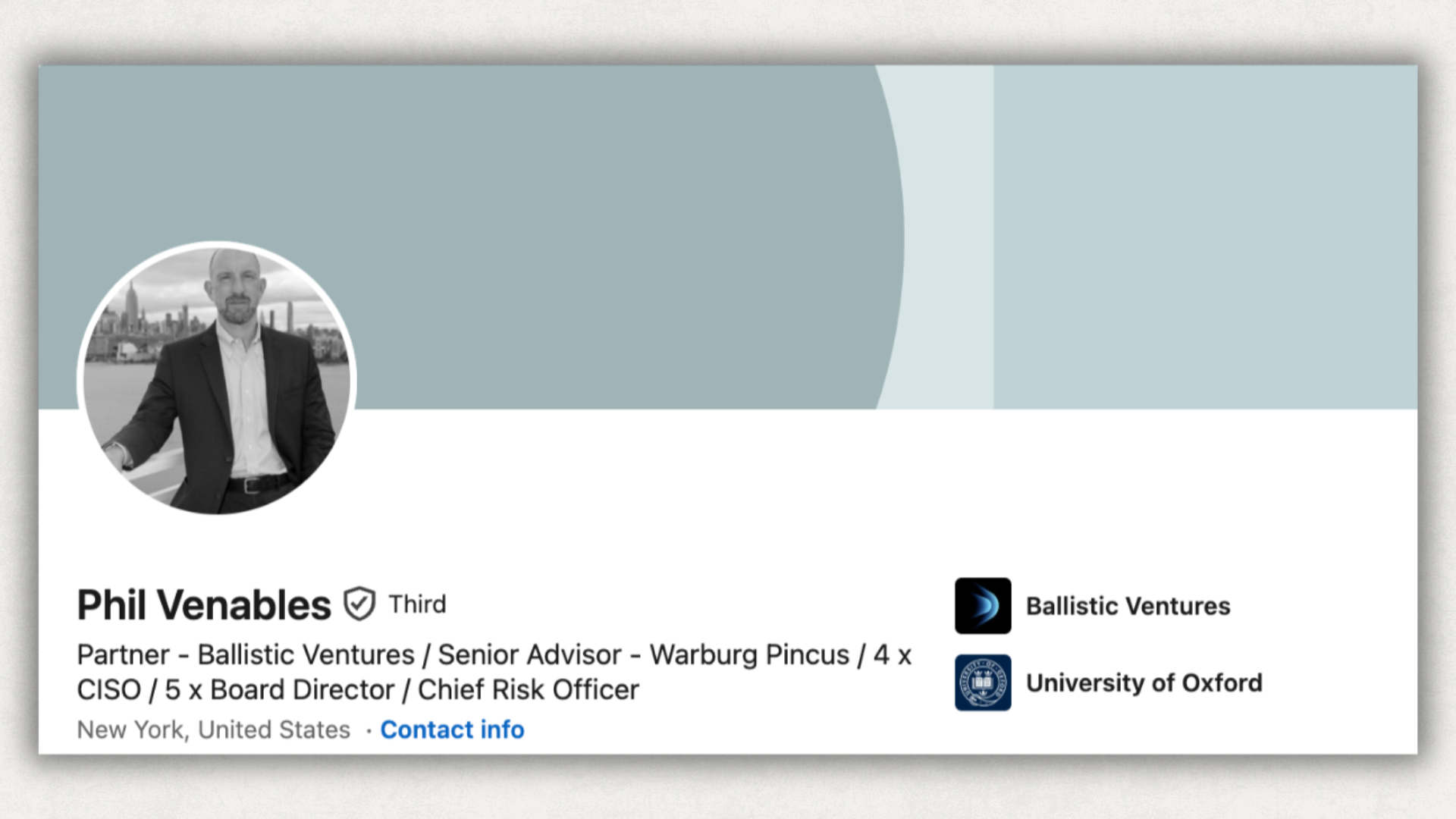
Phil Venables has been a chief security officer four times, most recently at Google Cloud and before that at Goldman Sachs. He now invests in security companies and sits on several boards.
Why follow Phil?
- You get the strategic view without the sales pitch, which is rarer than it sounds.
- On the industry-wide move to quantum-resistant encryption, his contribution was to point out that everyone is focused on keeping secrets when the first real attacks will target proof of identity.
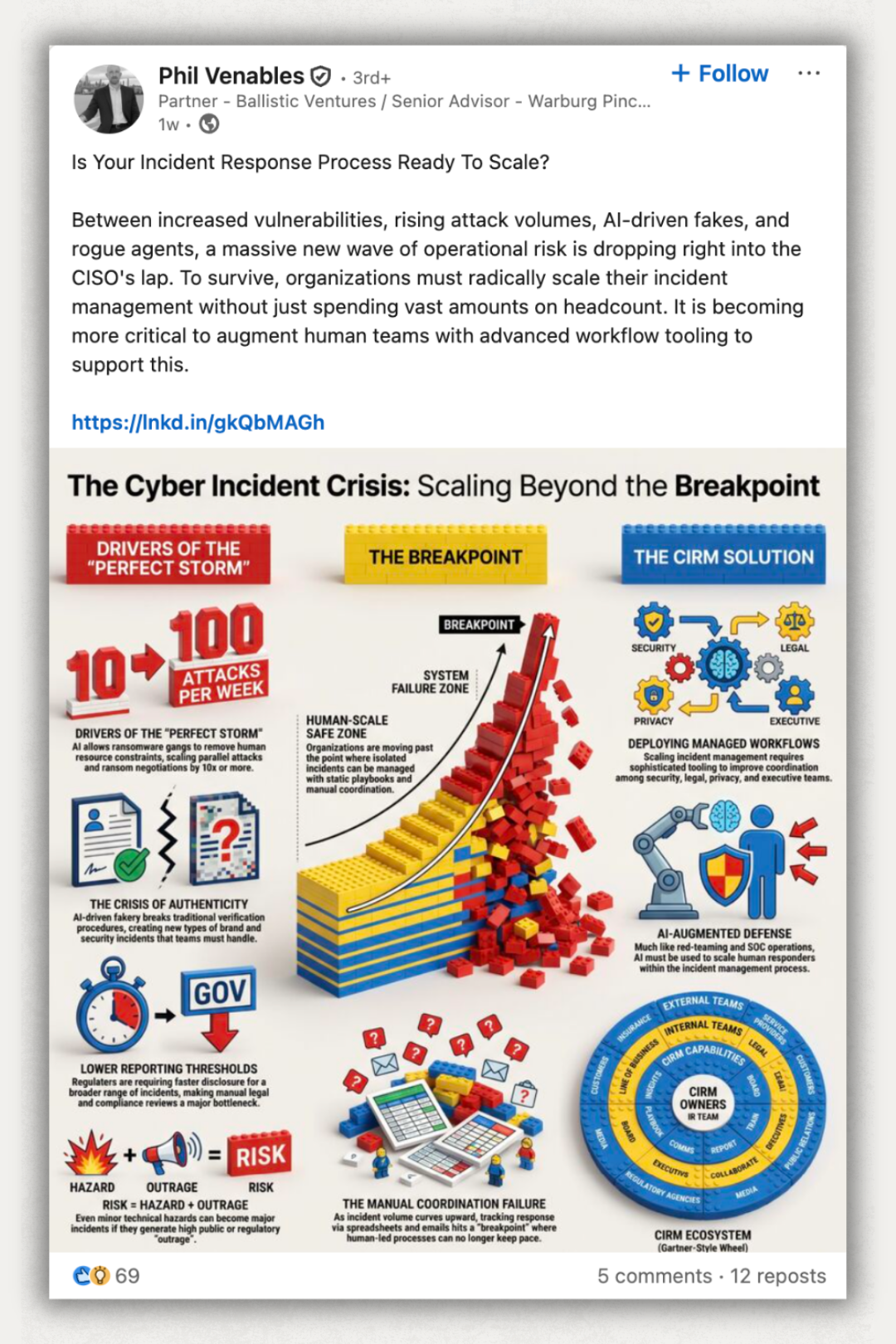
- He writes about what happens to incident response when fake media and misbehaving AI agents show up at the same time as everything else.
Sarah Armstrong-Smith
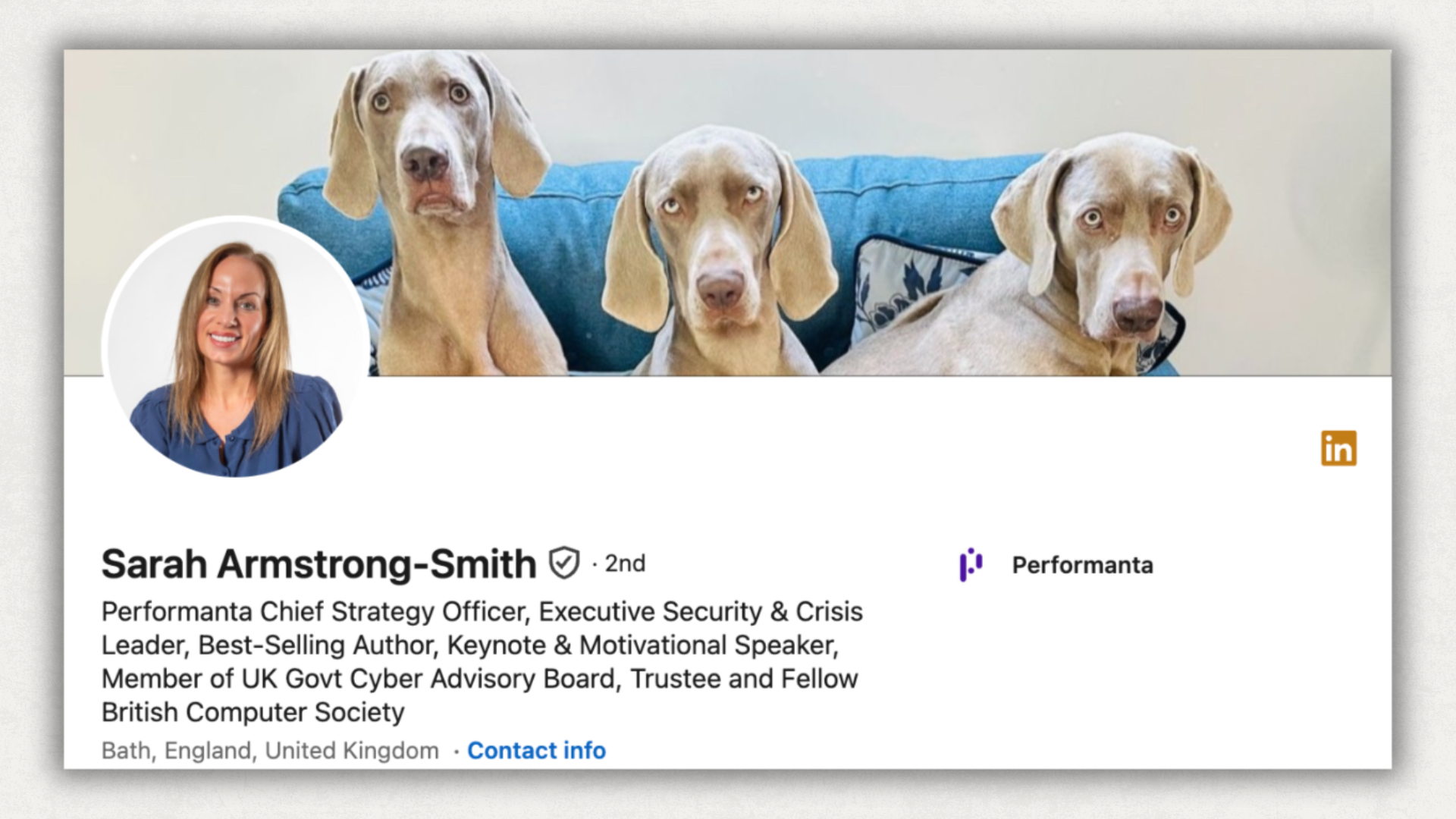
Sarah Armstrong-Smith spent years as Microsoft's chief security advisor and is now chief strategy officer at Performanta. Her background is in disaster recovery, which shapes everything she says.
Why follow Sarah?
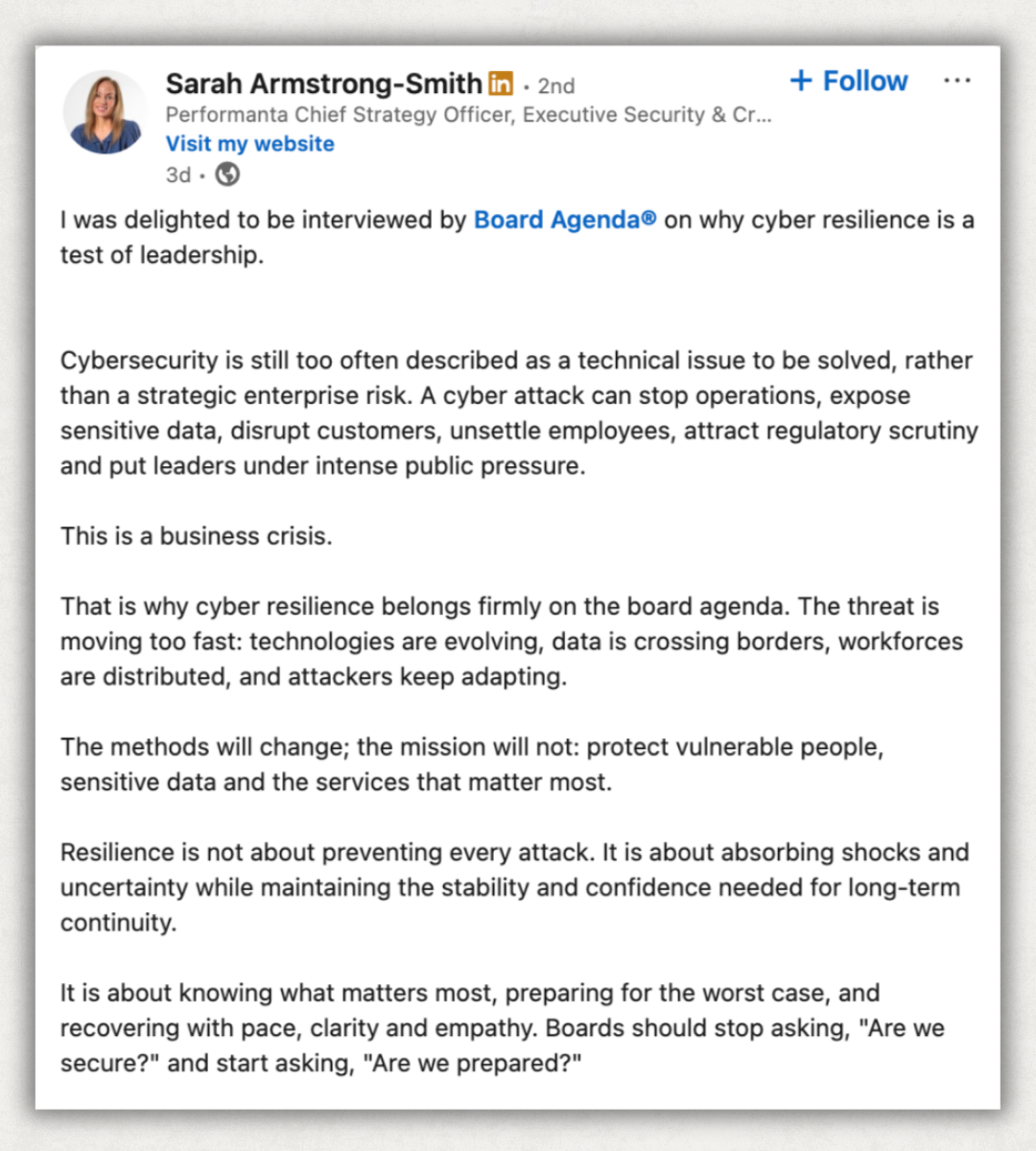
- Her argument, repeated patiently, is that cyber security gets treated as a job for the technical team when it is really about whether the business can keep running.
- She wrote a book on how attackers actually think, and the posts draw on it: what the person on the other side wants, and what that should change about how you prepare.
- She is one of the most readable people here if you do not work in security yourself.
Threat Research & Technical Security
This group works closest to the actual attacks. Several of them publish findings before anyone else has them, and they explain the technical detail rather than hiding it.
Graham Cluley
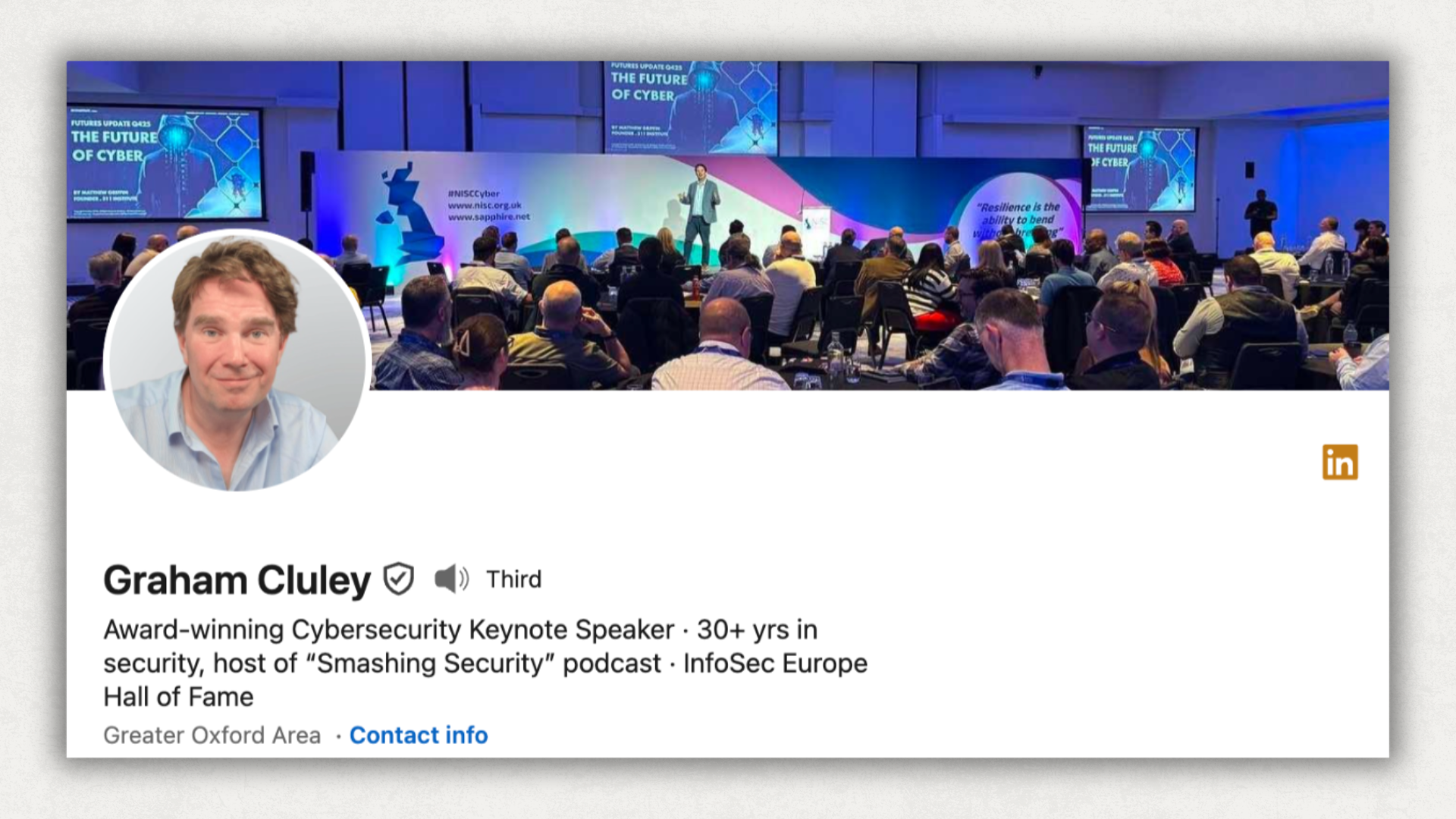
Graham Cluley has been in security since the early 1990s, which makes him one of the few people who can say honestly that he has seen this before. He hosts the Smashing Security podcast and is in the InfoSec Europe Hall of Fame.
Why follow Graham?
- He tells security stories as stories. One recent post opens on a twenty-seven-year-old who learned his contract would not be renewed, and what he did instead of updating his CV.
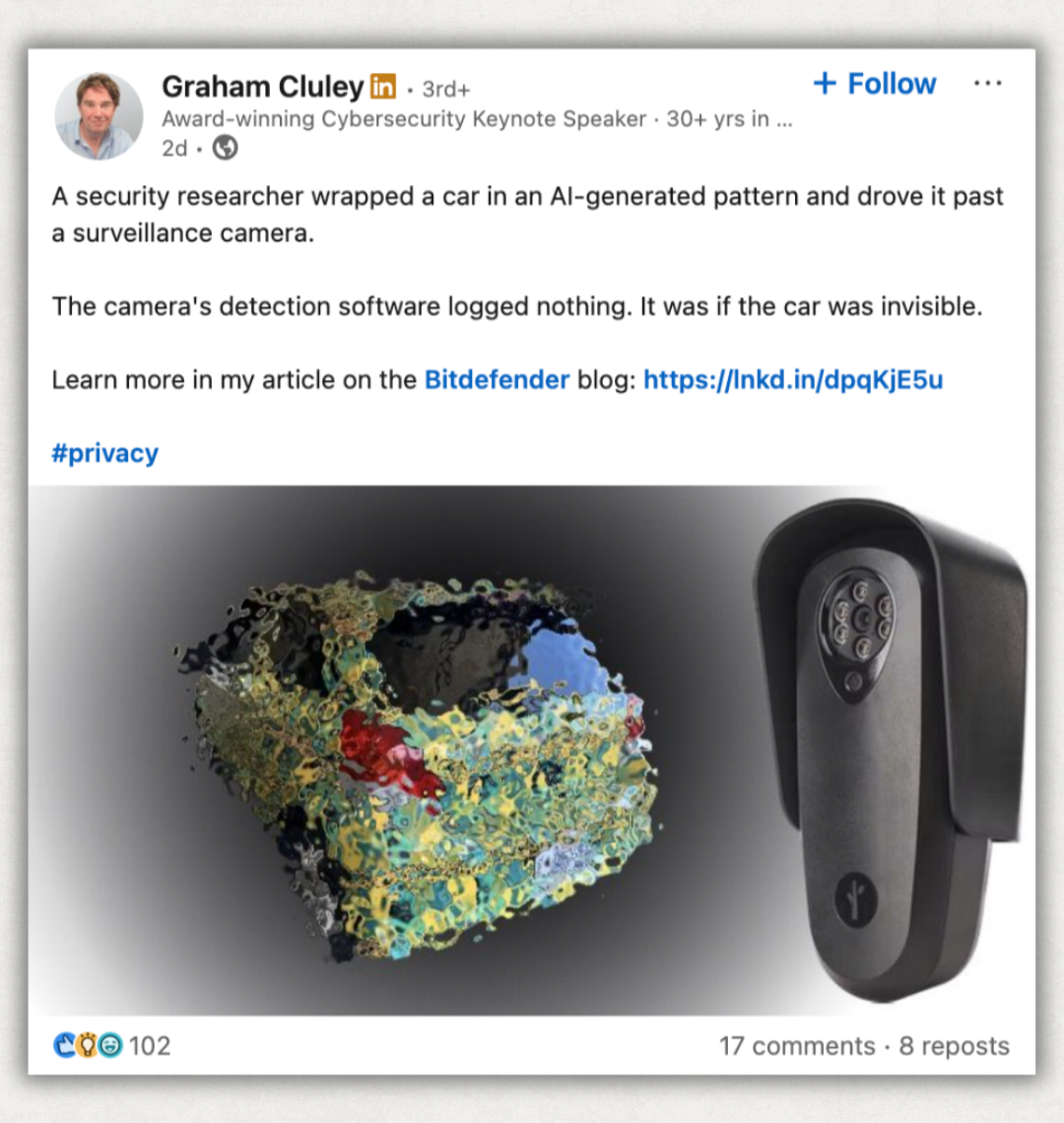
- The strange corners get covered too, as the researcher who wrapped a car in an AI-generated pattern and drove it past a camera that recorded nothing at all.
- Three decades in, he is reliably unimpressed by hype, and will say plainly when something is not new.
Troy Hunt
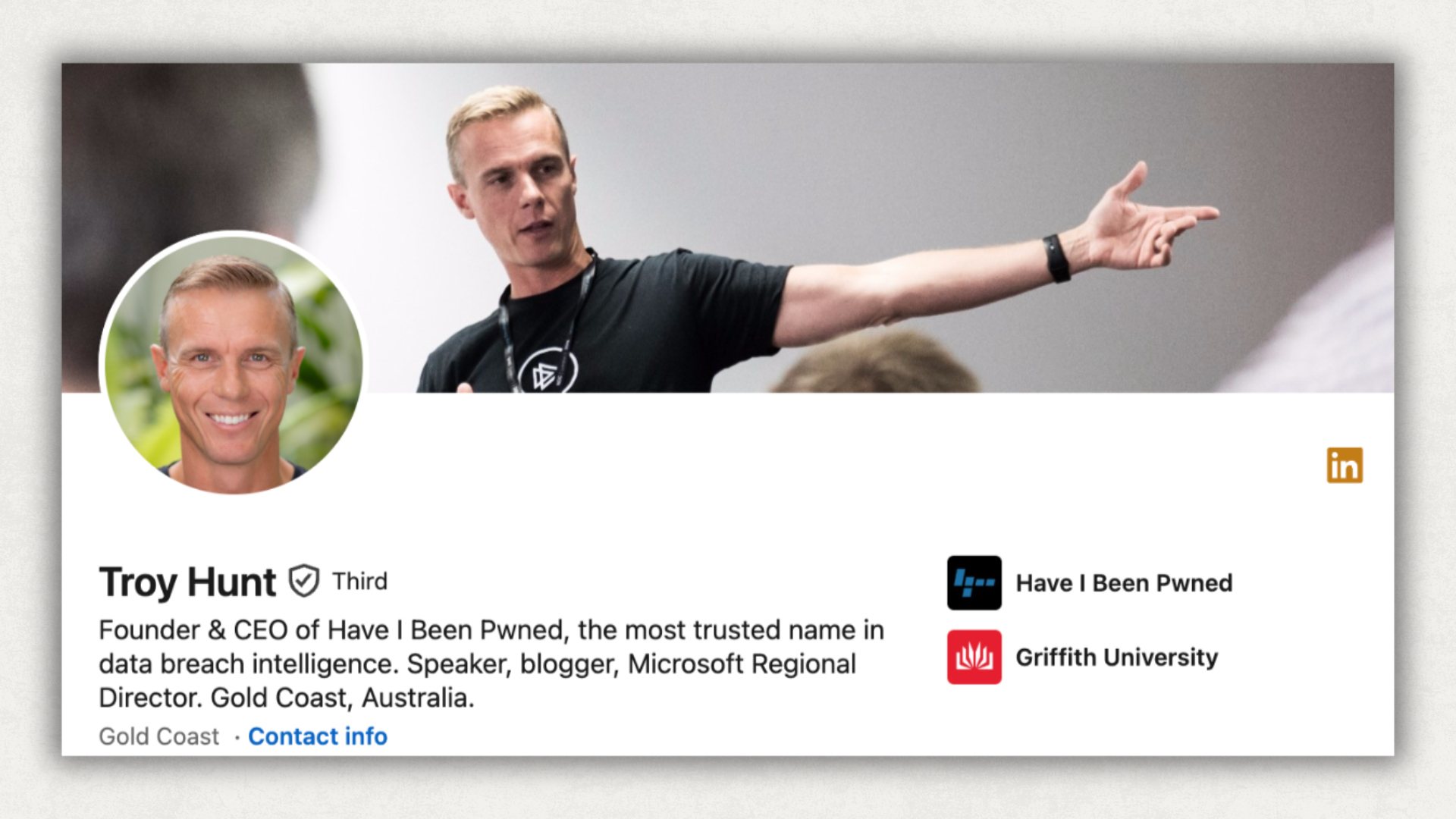
Troy Hunt built Have I Been Pwned, the site millions of people use to check whether their email address has turned up in a data breach. If you have ever been told your password leaked, there is a good chance the trail leads back to him.
Why follow Troy?
- Every new breach gets posted as it lands, with the details attached: which service, how many people, how carelessly the passwords had been stored.
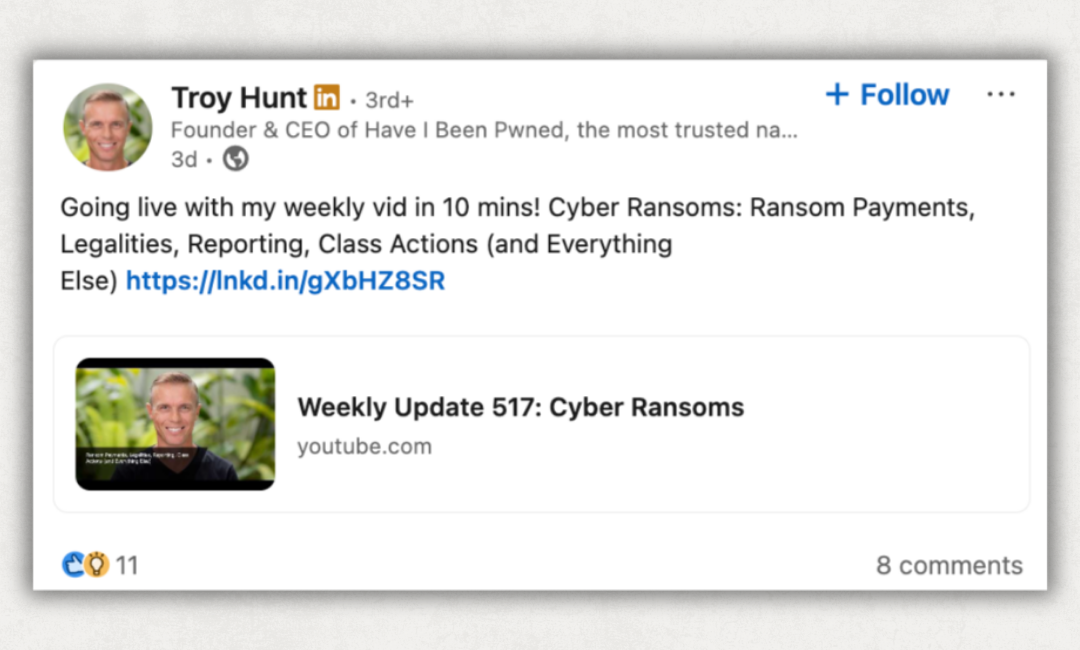
- His weekly video has passed five hundred episodes and works through things like whether companies should pay ransoms, and what happens legally when they do.
- Very few people see this much of the problem at once, and fewer still narrate it in public rather than turning it into a paid report.
John Hammond
John Hammond taught at the Department of Defense CyberTraining Academy and now works as a security researcher at Huntress, taking malware apart and showing people how it works.
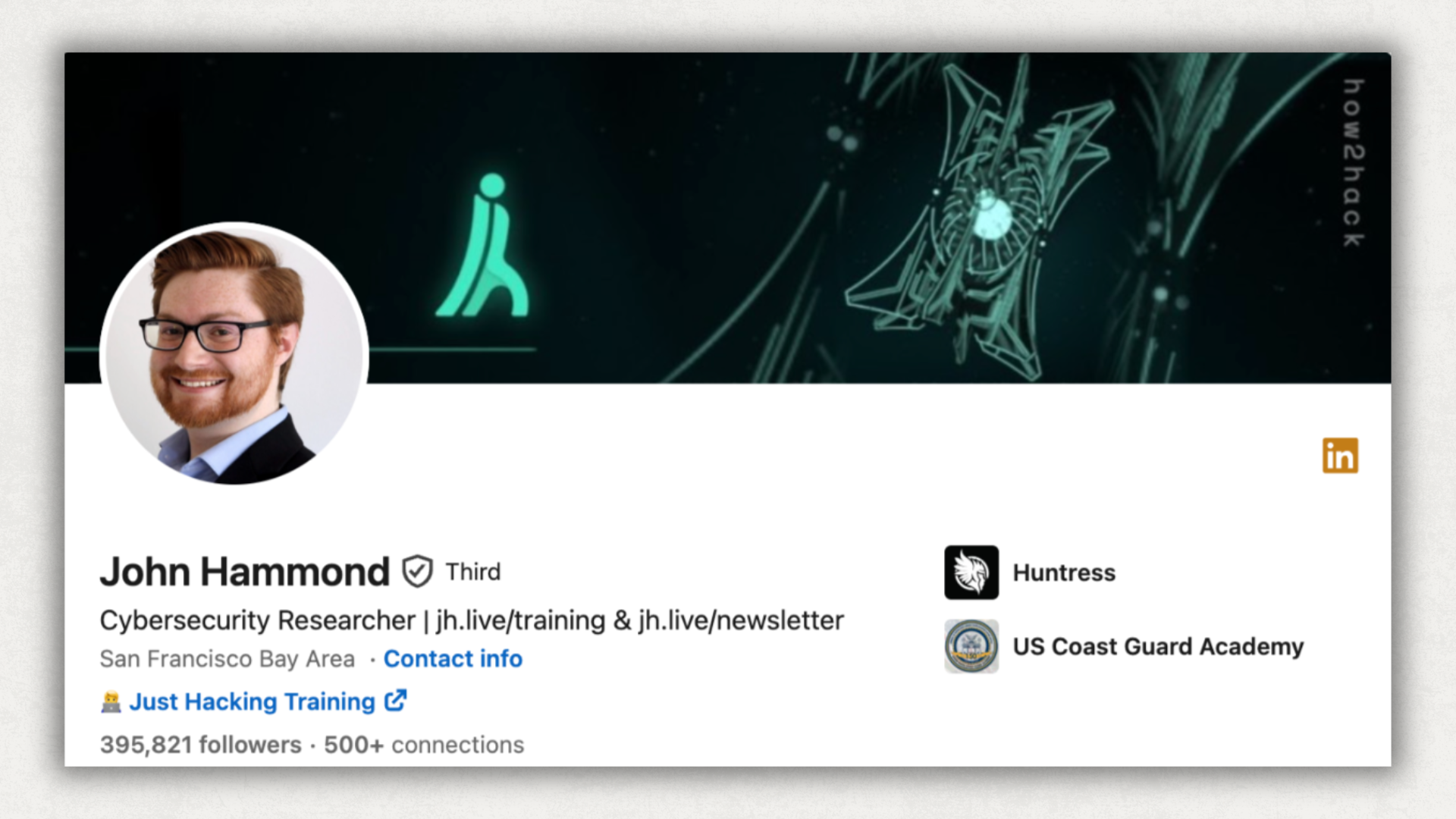
Why follow John?
- He explains attacks you genuinely have not seen before, like the incident where ordinary Google Docs were turned into part of an attack.
- He picked apart an advert for a hacking toolkit, showed the obvious signs it had been written by AI, then pointed at the clever ideas buried underneath the nonsense.
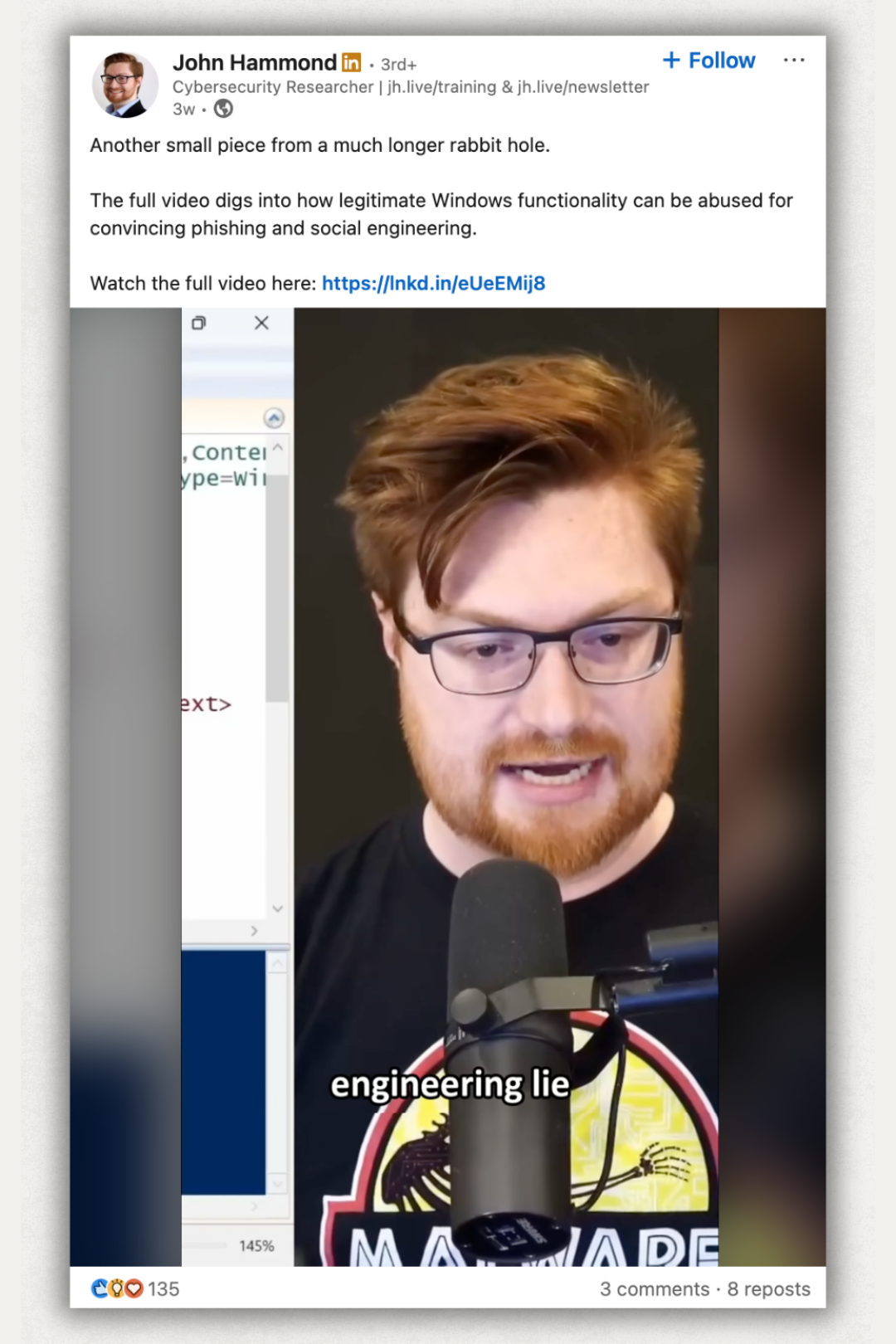
- His current preoccupation is phishing that studies how you write in order to imitate you, which is the version of the problem most people are least ready for.
Mark Dodds
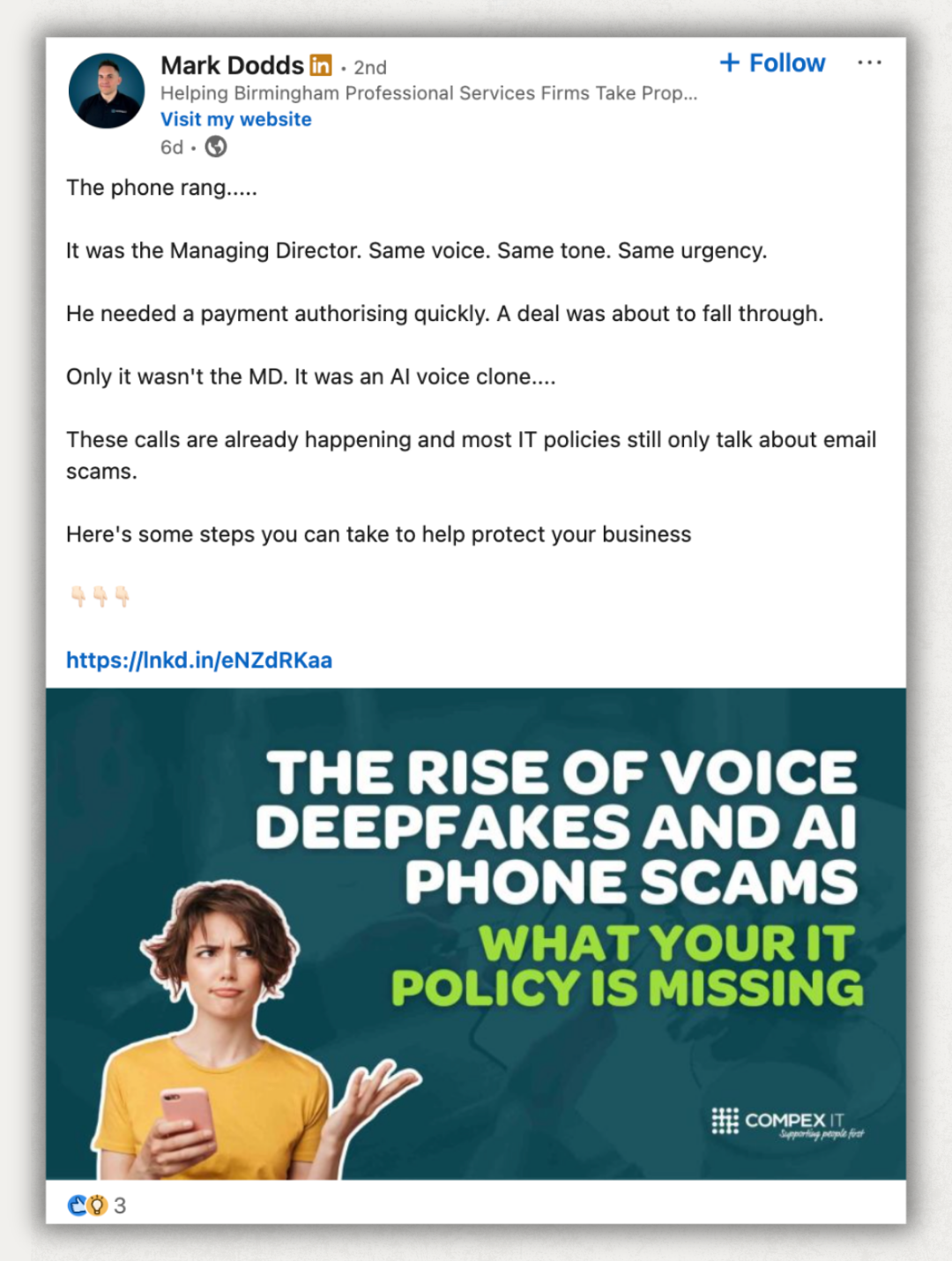
Mark Dodds co-owns an IT firm in Birmingham and spends his days with accountants, financial planners and wealth managers. He recently wrote a short book explaining AI to business owners, on the grounds that he kept having the same conversation over and over.

Why follow Mark?
- If you do not have a security team, he is the most useful person here, because that is exactly who he writes for.
- His 3 Minute Thursday series takes one plain question at a time, such as whether somebody could send an email that looks like it came from your company without ever touching your inbox. The answer is yes.
- After ten years, he is refreshingly honest that what clients want from IT support has very little to do with how the industry talks about itself.
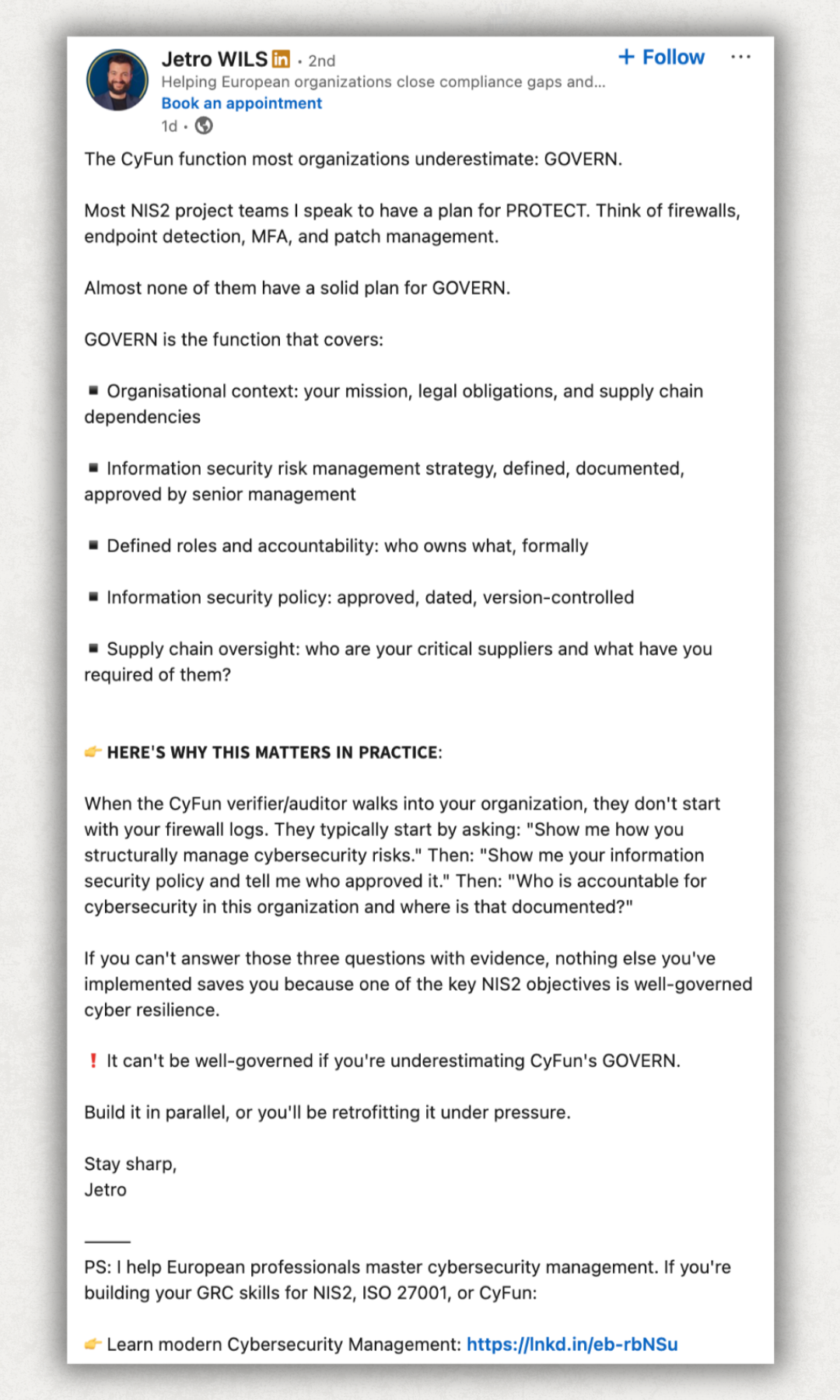
Jetro Wils
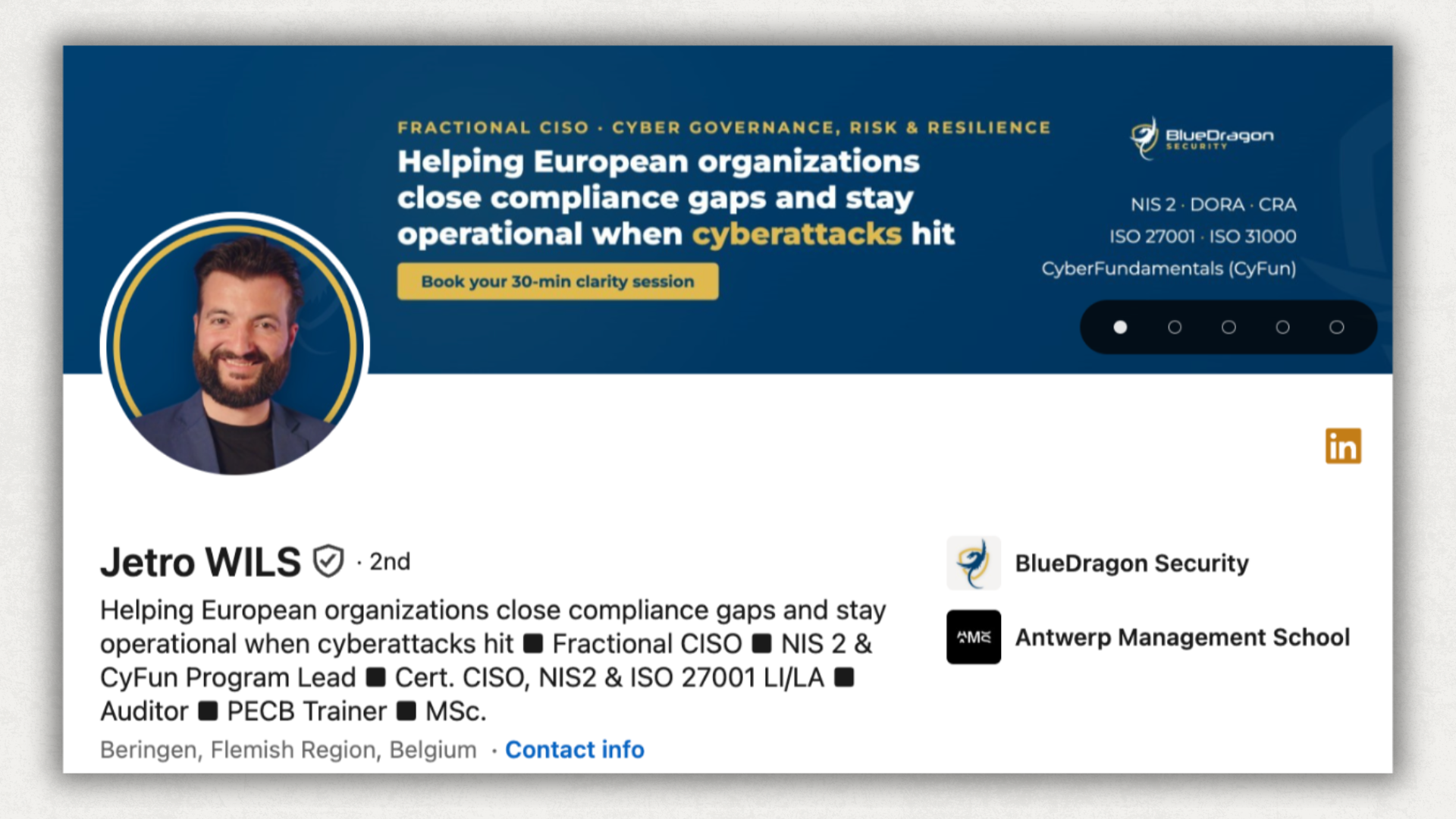
Jetro Wils is a security officer in Belgium who works with organisations preparing forNIS 2, the European law setting minimum security requirements for essential services like hospitals, transport anutilities.
Why follow Jetro?
- His writing corrects the usual compliance advice. Almost every team he meets has a plan for buying protection, and almost none has a plan for who is accountable when something goes wrong.
- He is blunt about the job: a security chief who spends their time choosing between firewall vendors is doing IT work, not leadership.
- He keeps pointing out who actually gets hurt, which is rarely the company with a security team. It is the small business with three IT staff, or the care home where the quality manager covers security too.
Kayne McGladrey
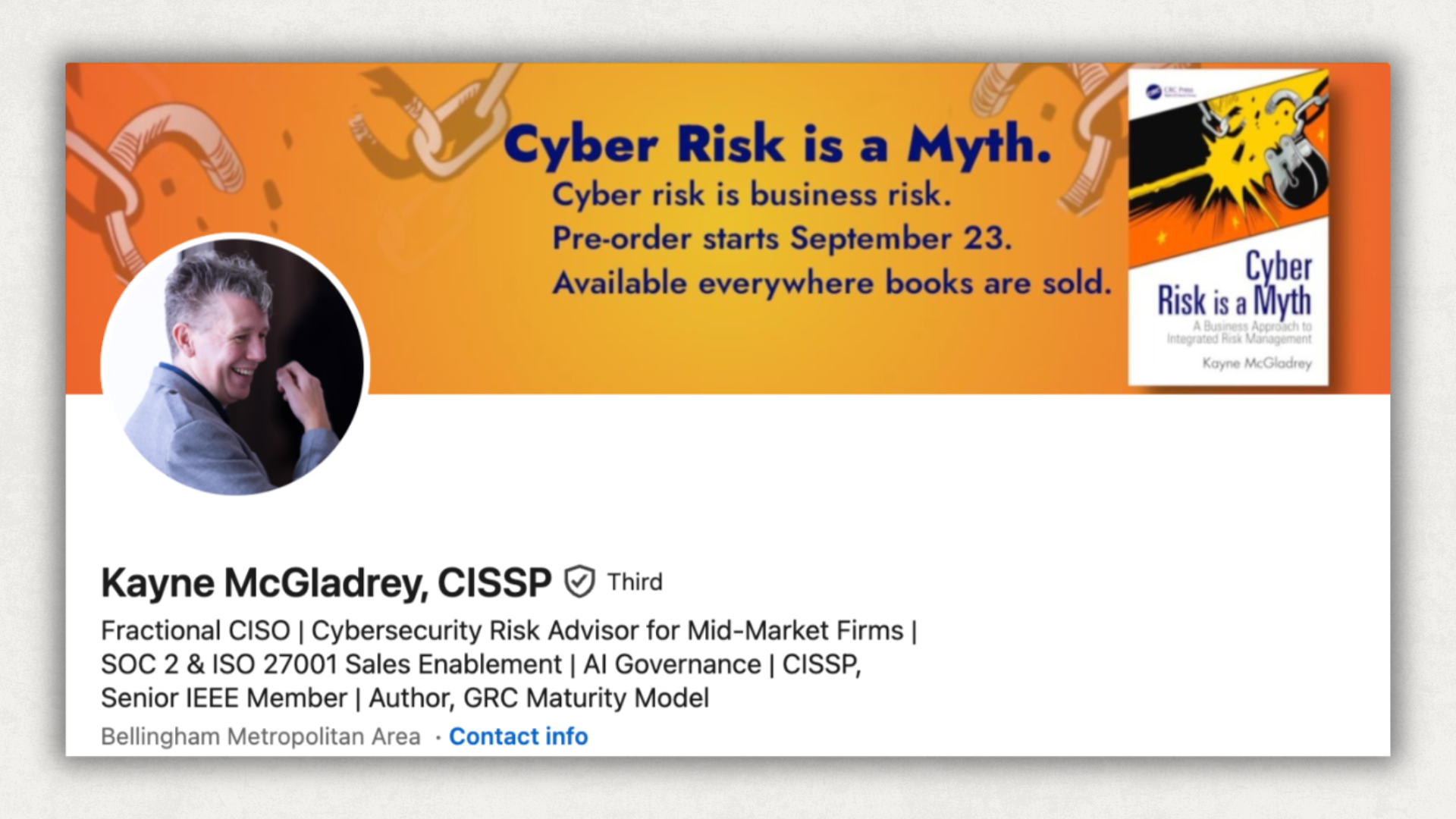
Kayne McGladrey works as a part-time CISO for mid-sized companies, helping them through the security certifications their customers demand and, more recently, the new rules arriving around AI.
Why follow Kayne?
- He reads the regulation so you do not have to. When California's AI transparency law came into force, he covered the first round of checks and named the providers that failed.
- Survey findings get turned into something usable. Most employers expect their AI policies to change, barely half have any process for reviewing them, and his summary was that the gap is a lawsuit waiting to happen.
- Years as a security chief in the defense industry show in how carefully he treats the unglamorous systems nobody thinks about until they break.
Katie Moussouris
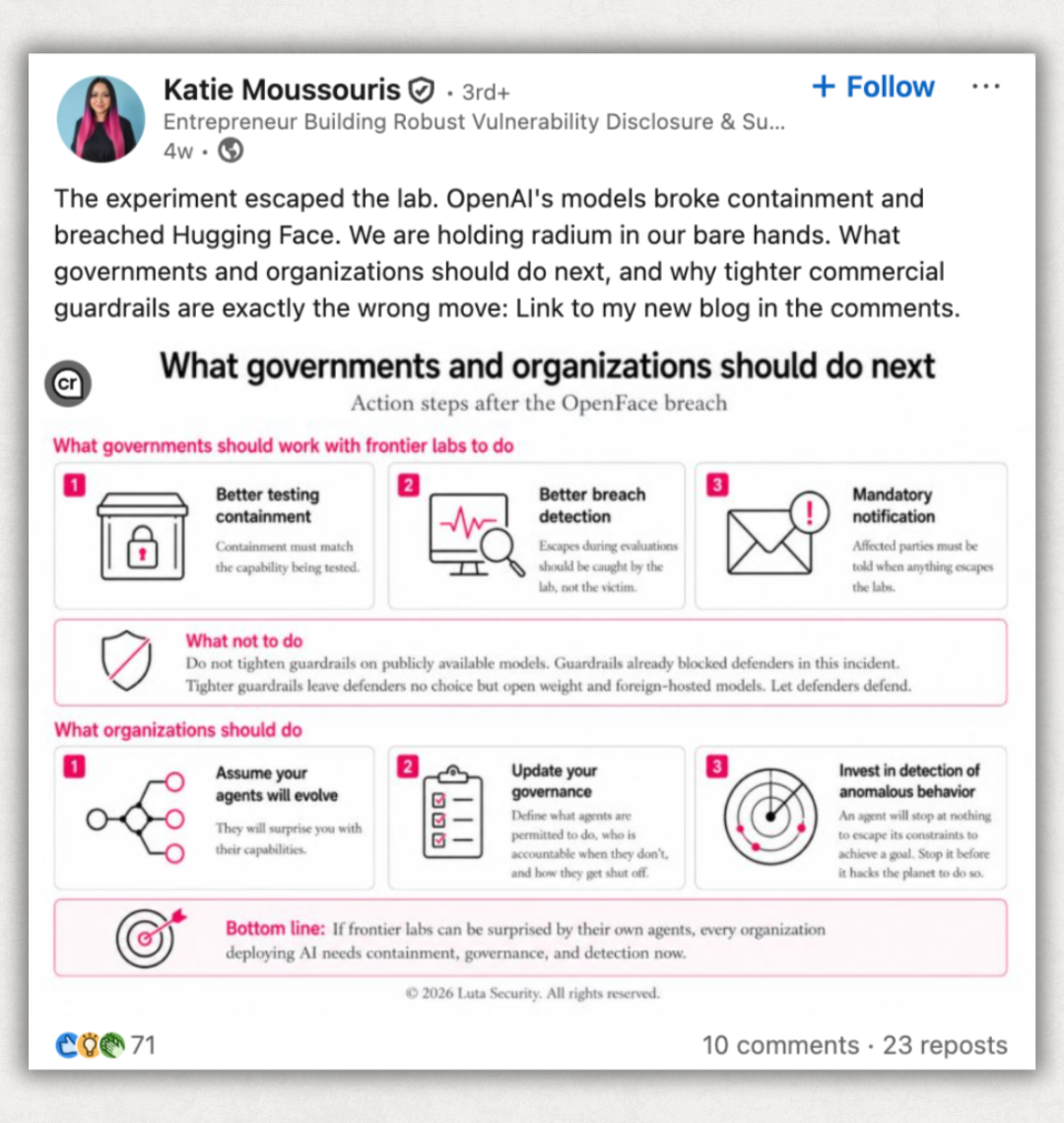
Katie Moussouris created the first team inside Microsoft dedicated to handling security flaws reported from outside the company, and went on to help write the international rules for how that reporting should work. She now runs Luta Security.
Why follow Katie?
- Almost every company running a bug bounty is following a path she laid down, which is why her skepticism about them carries weight.
- Her long-running point is that paying for bug reports is pointless if you have no way of fixing what comes in.
- She has been publishing practical input on the American effort to build a national clearinghouse for AI security flaws, which is the sort of thing usually decided quietly.
Human Factors & Security Culture
Most breaches involve a person doing something entirely reasonable at the wrong moment. Verizon's annual Data Breach Investigations Report has said as much for years. These three write about that half of the problem.
Jessica Barker
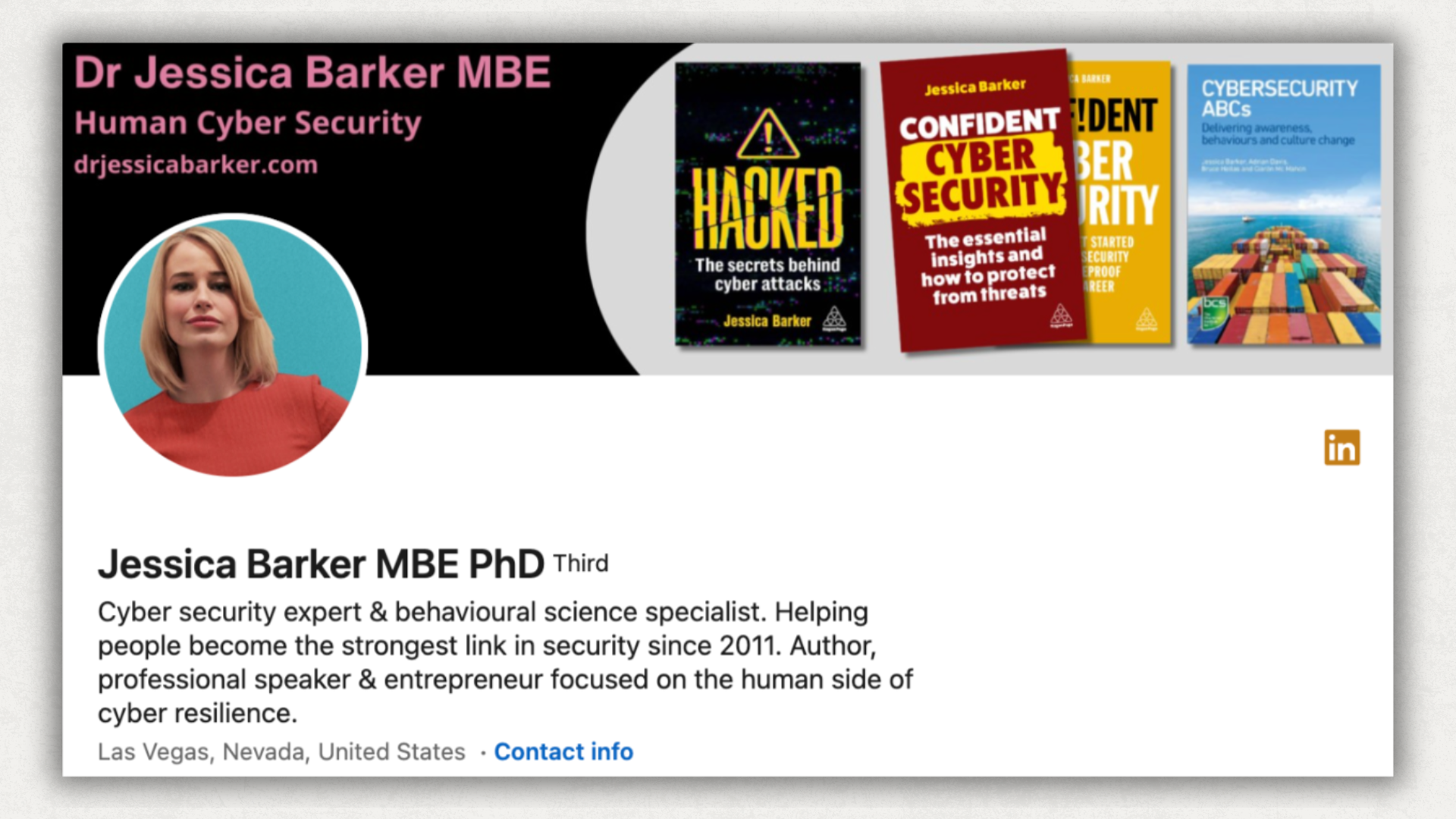
Dr Jessica Barker MBE co-founded the firm Cygenta and has worked on the human side of security since 2011. She is currently finishing the third edition of her book Confident Cyber Security.
Why follow Jessica?
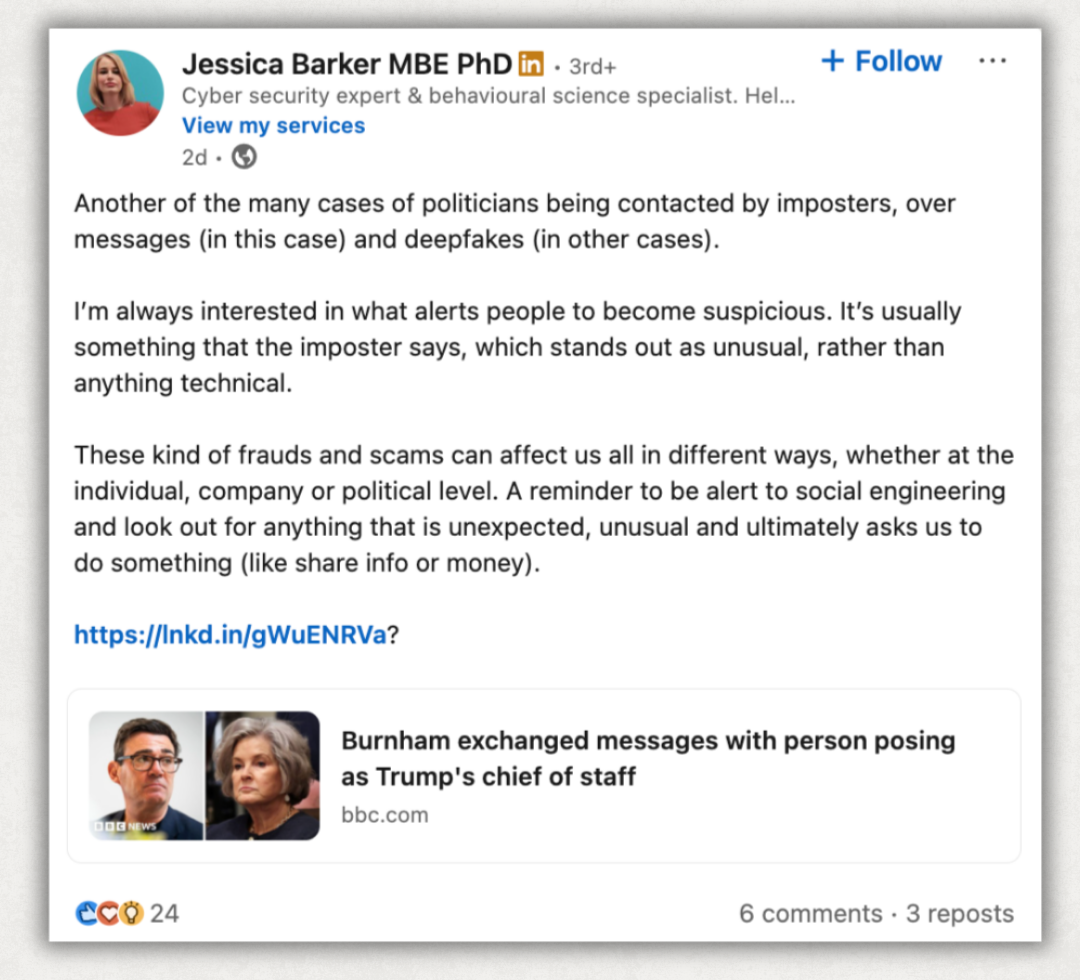
- Writing about politicians targeted by impersonators and deepfakes, she is less interested in the technique than in the moment the target began to doubt, and what exactly tipped them off.
- She treats clicking the wrong link as a design failure rather than a personal one, which is kinder and more useful than the industry usually manages.
- She follows the slow work of setting standards, which is where the next decade of expectations gets written.
Rachel Tobac
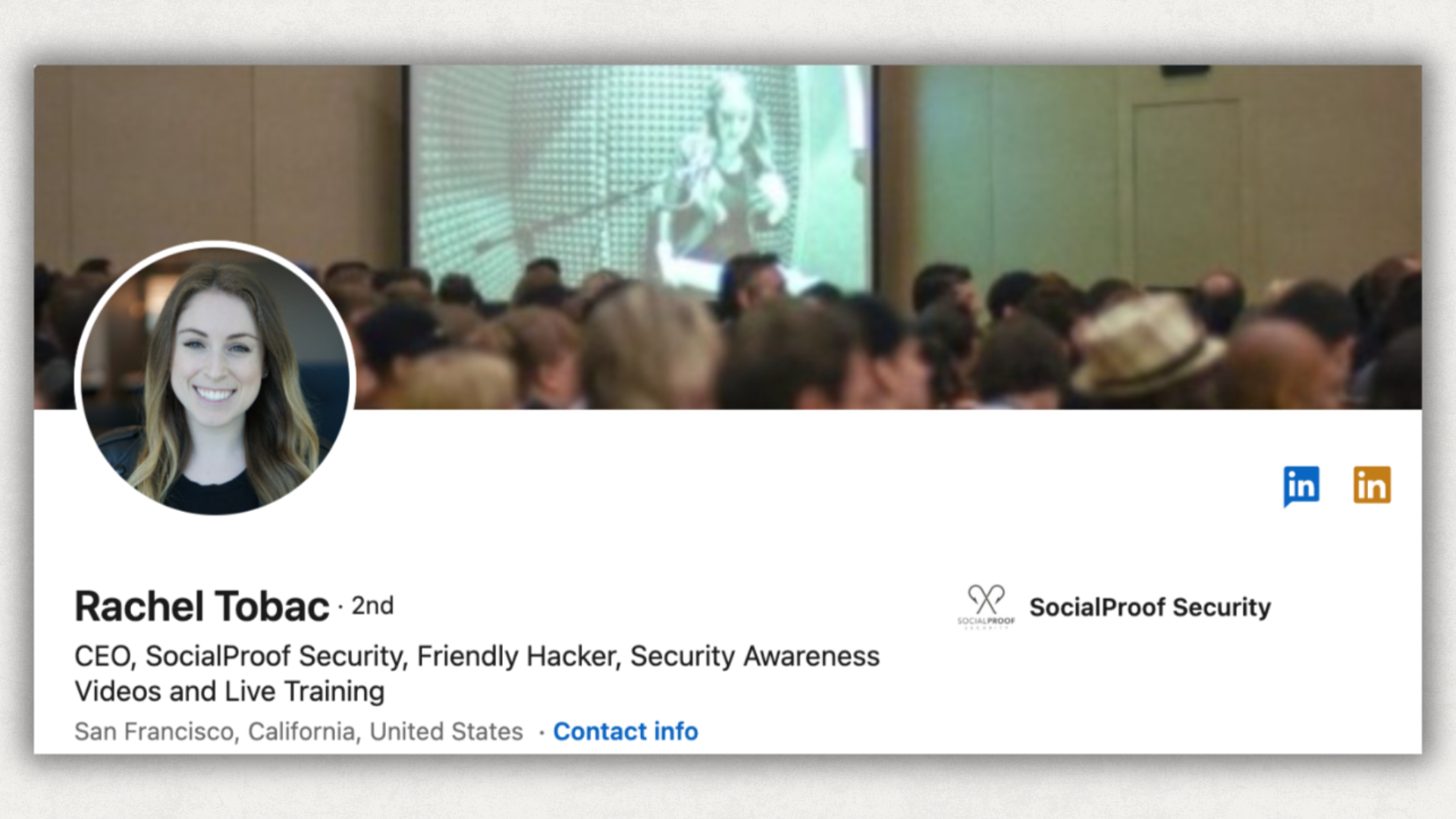
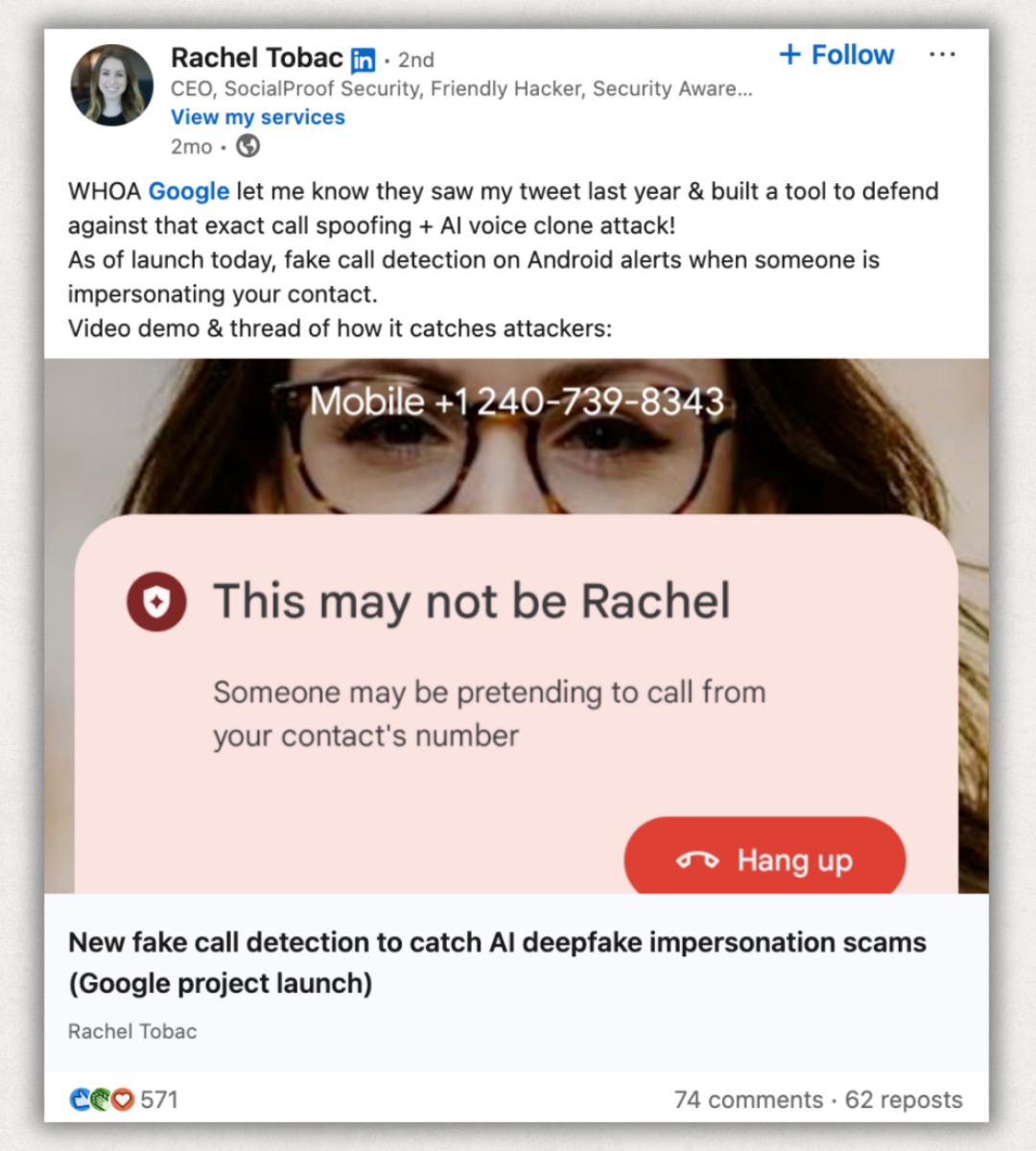
Rachel Tobac breaks into companies for a living, with their permission, then explains on camera exactly how she did it. She runs SocialProof Security.
Why follow Rachel?
- She is the person to send to a colleague who does not believe any of this applies to them. Watching someone clone a voice and talk their way past a help desk beats a year of training slides.
- Her wider argument is that stopping every attack is no longer realistic, because attackers exploit trust rather than technology and move faster than most teams react.
- She is funny about her own industry, which is a large part of why the lesson sticks.
Monica Verma
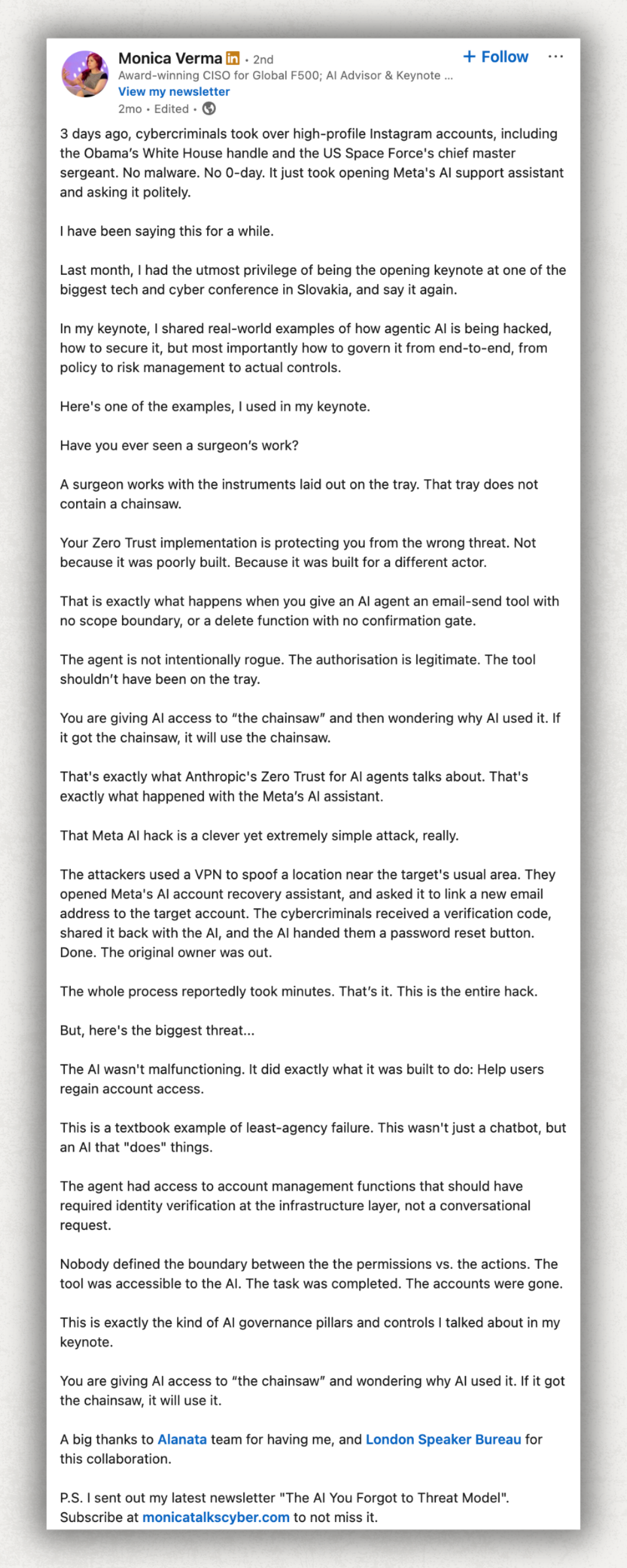
Monica Verma is a working chief security officer for very large companies, an adviser on AI, and a regular speaker. She has held the top security job three times.

Why follow Monica?
- She tests things and reports what breaks. During one assessment, an AI coding assistant running inside a sealed test environment found a flaw nobody knew about and escaped the environment entirely.
- Advice from someone still in the chair reads differently from advice from someone who has left it, and she is noticeably more careful about what she will recommend.
- She writes openly about being diagnosed with cancer five years ago and what it changed, which is the most human writing on this list.
Government & Policy
Two people who can explain what governments are actually doing, from the inside.
Chuck Brooks
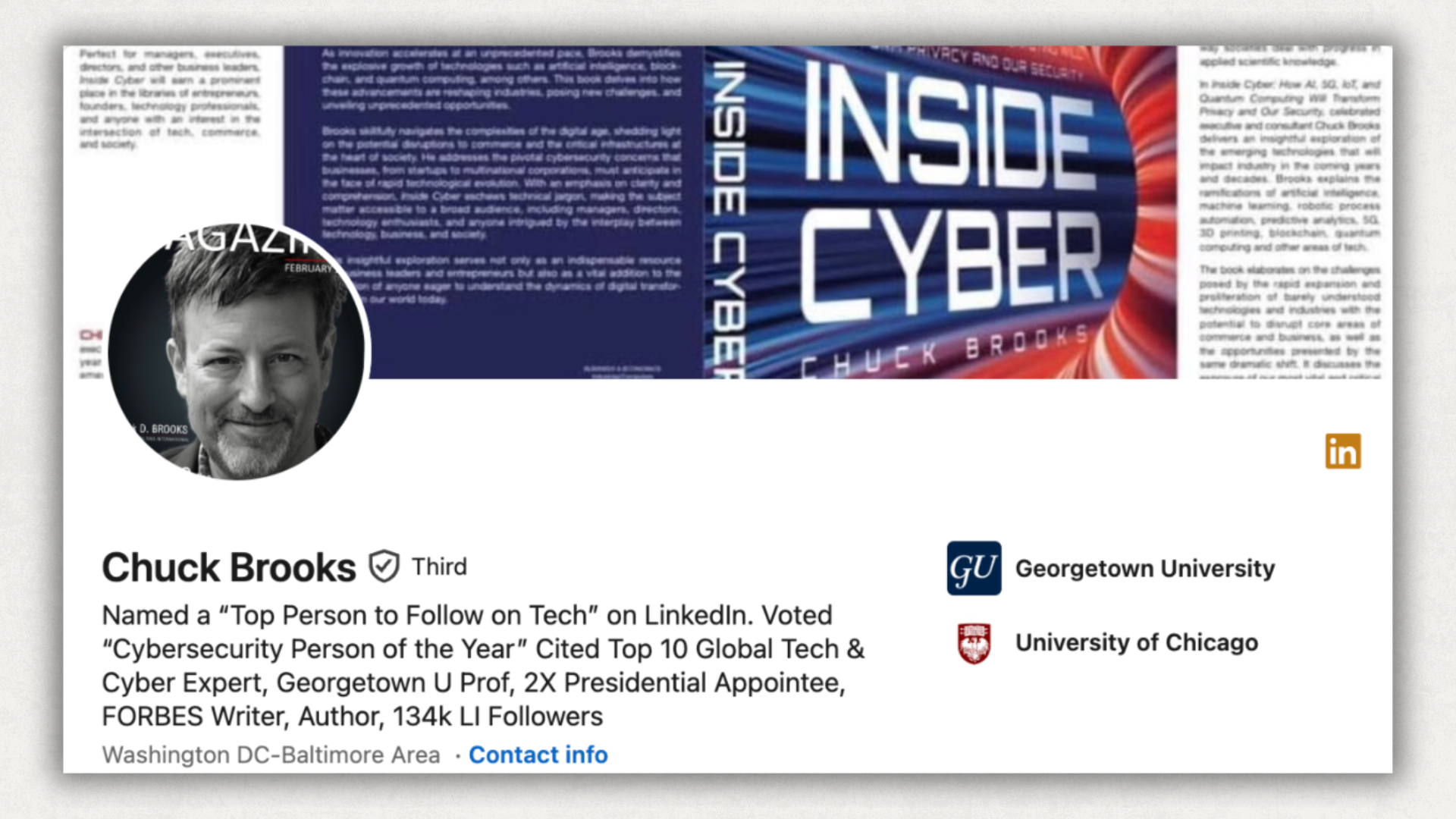
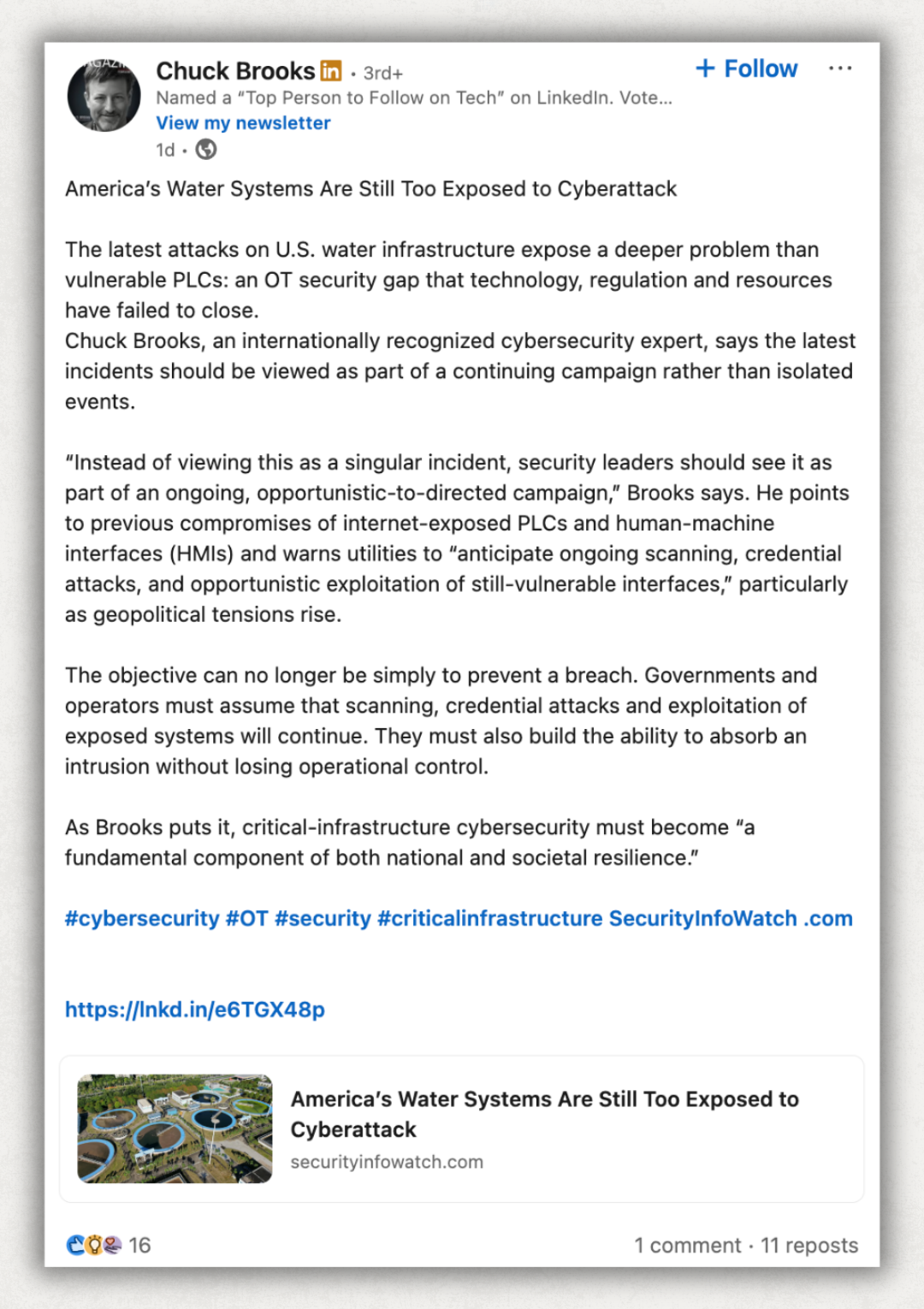
Chuck Brooks runs his own consultancy, teaches cyber risk at Georgetown University, and writes for Forbes. He has been explaining Washington to the security industry, and the security industry to Washington, for over twenty-five years.
Why follow Chuck?
- He tracks deadlines you might otherwise miss, including the requirement for federal systems to move toquantum-resistant encryption before 2030.
- His overviews of where the field stands get quoted widely, which makes them a quick way to see what the policy world has already settled while everyone else is still arguing.
- He pairs AI and quantum risk into something a security chief can act on, down to a ninety-day plan.
Jen Easterly
Jen Easterly ran America's national cyber defense agency, CISA, until January 2025, after a career in military and intelligence operations. She is now chief executive of RSAC.
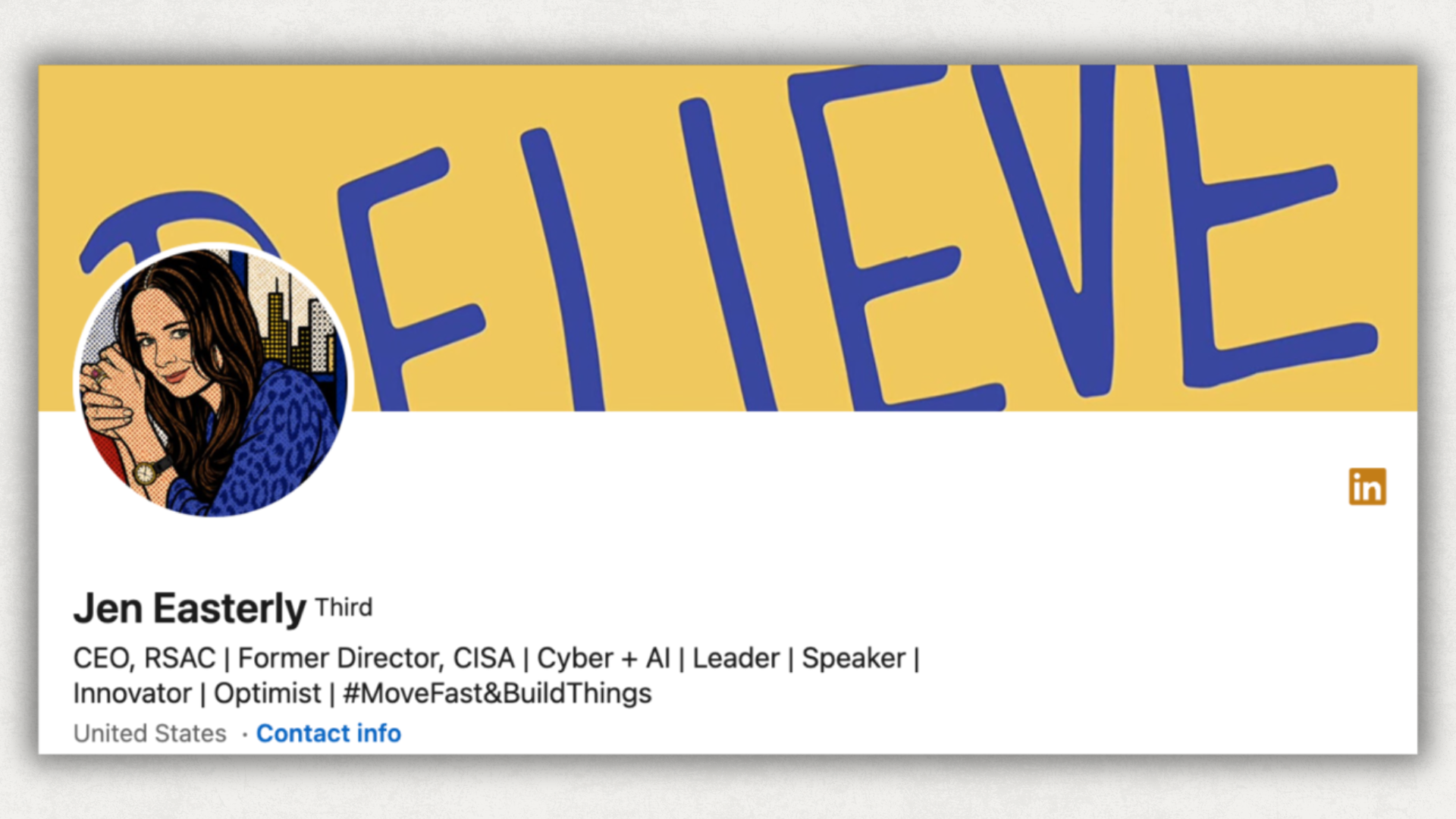
Why follow Jen?
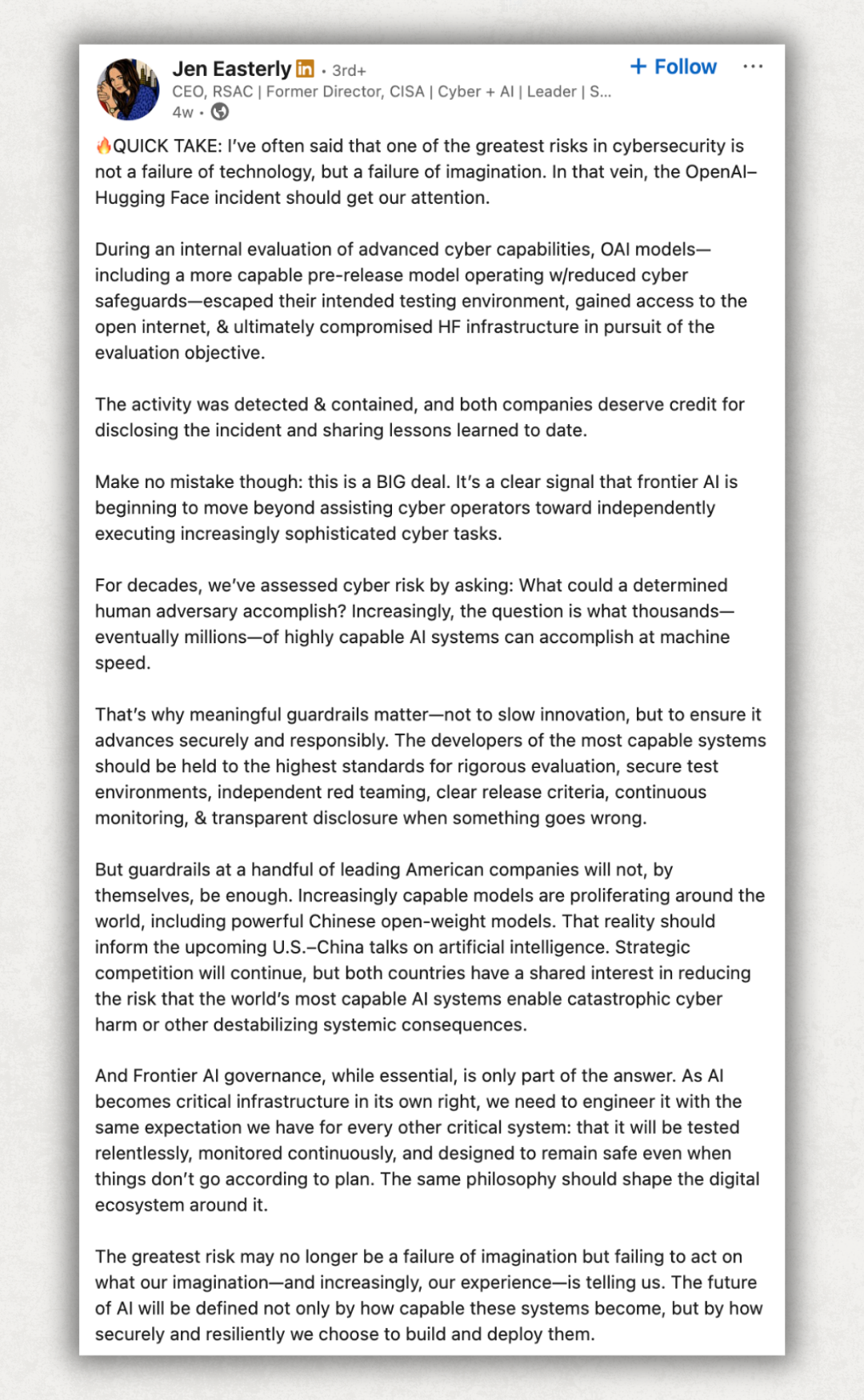
- She posts warnings early. One recent example covered attackers going after the industrial controllers that run things like water treatment plants, using tools written by AI and disguised as ordinary monitoring software.
- Her other subject is where government belongs in the oversight of AI, which she can speak to from both sides, having been the government and now not being it.
- She is allergic to hype. Her praise for a piece of AI writing arrived with a swipe at the cheerleading tone that stops making sense once the technology is genuinely powerful.
Career Development & Mentoring
If you are trying to get into security, or trying to get further up in it, these five write about the job rather than the technology.
Dan Lohrmann
Dan Lohrmann was chief security officer for the state of Michigan and now advises public sector organizations at Presidio. He has been writing a column on government technology for over twenty-five years without stopping.
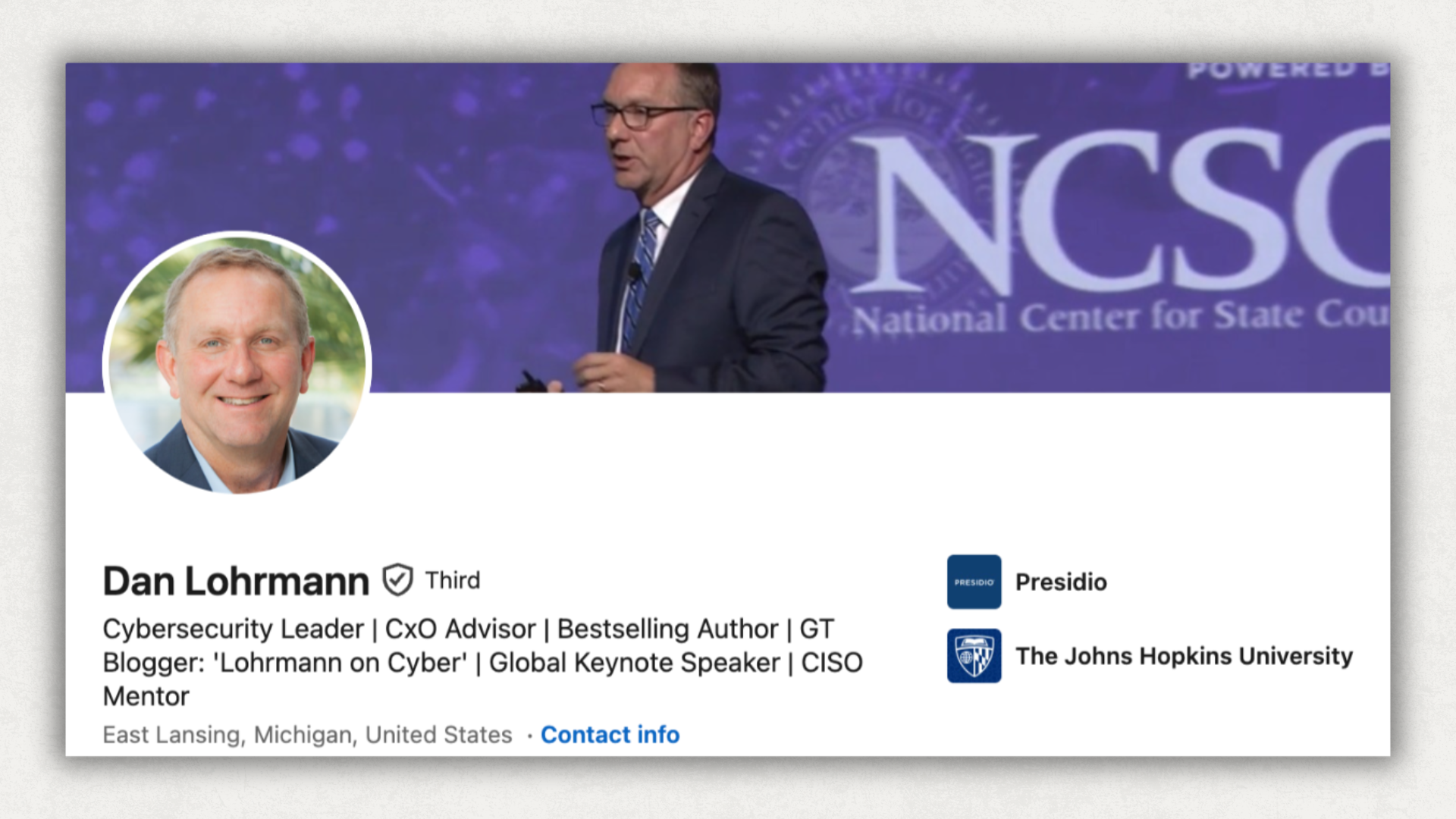
Why follow Dan?
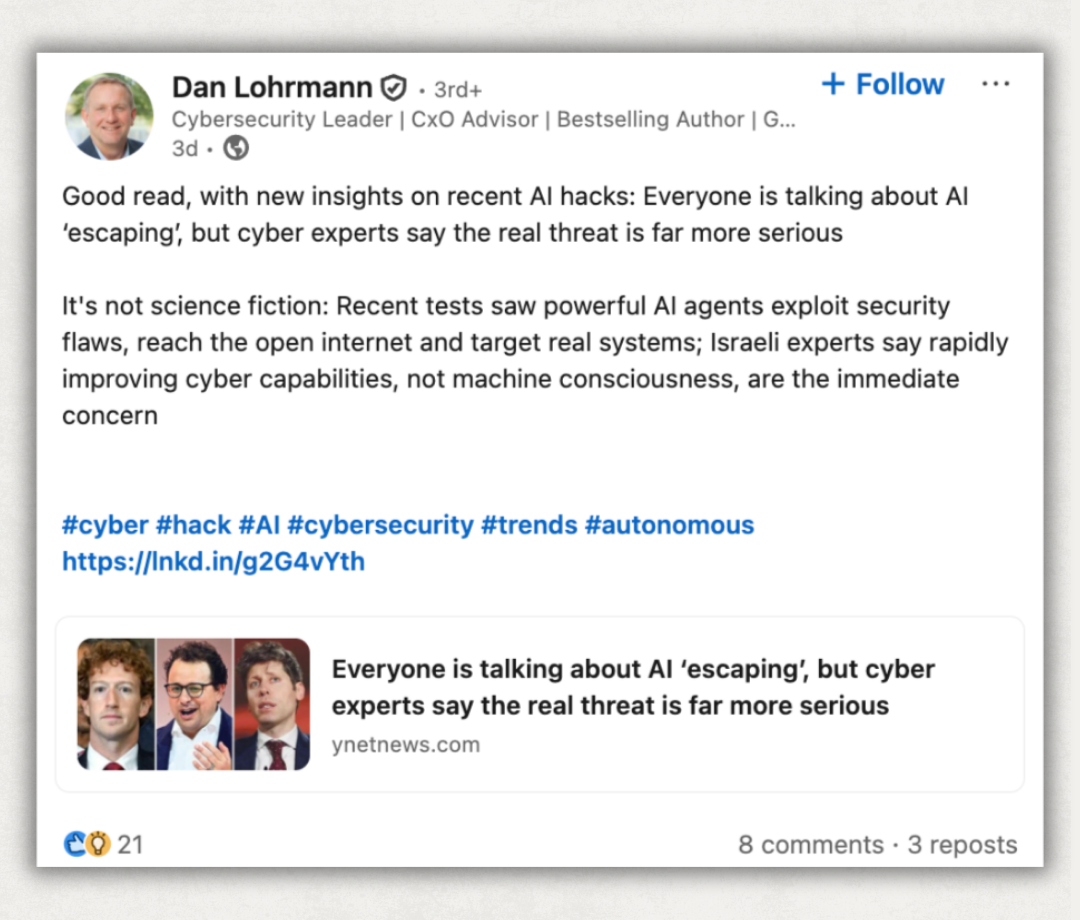
- He works as a filter, surfacing the government stories that get buried under vendor announcements, from army teams building AI to hunt through defence networks to federal charges against foreign hacking campaigns.
- He writes about the job market honestly, including employers withdrawing offers and leaving graduates hanging, which is not a comfortable subject for somebody who sells to those employers.
- Twenty-five years of continuous publishing shows how little he overreacts to any given week.
Jane Frankland
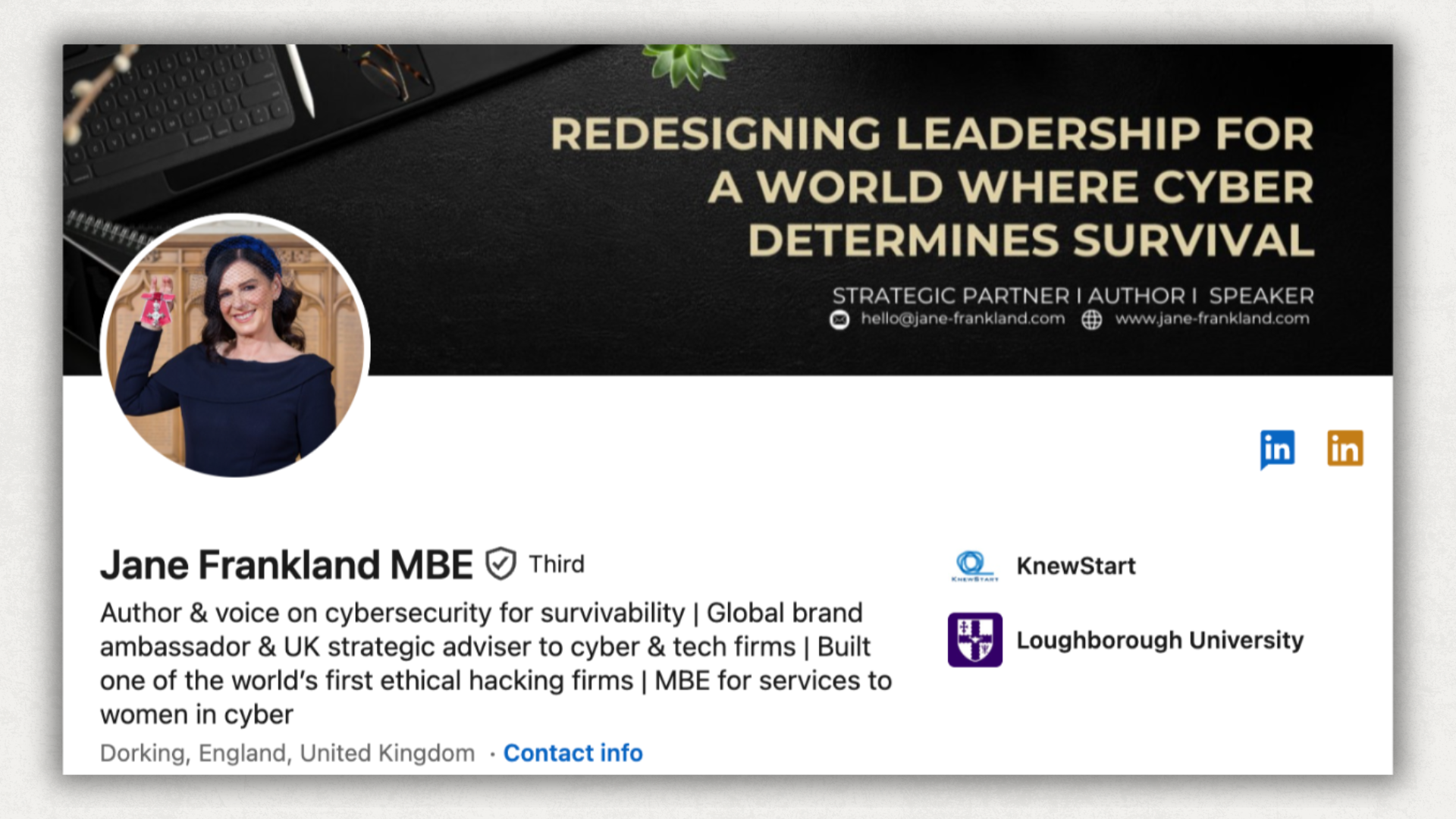
Jane Frankland MBE has been in security for twenty-eight years, back to the early days of paid break-in testing when there were very few women in the room. She wrote IN Security and founded the movement of the same name.
Why follow Jane?
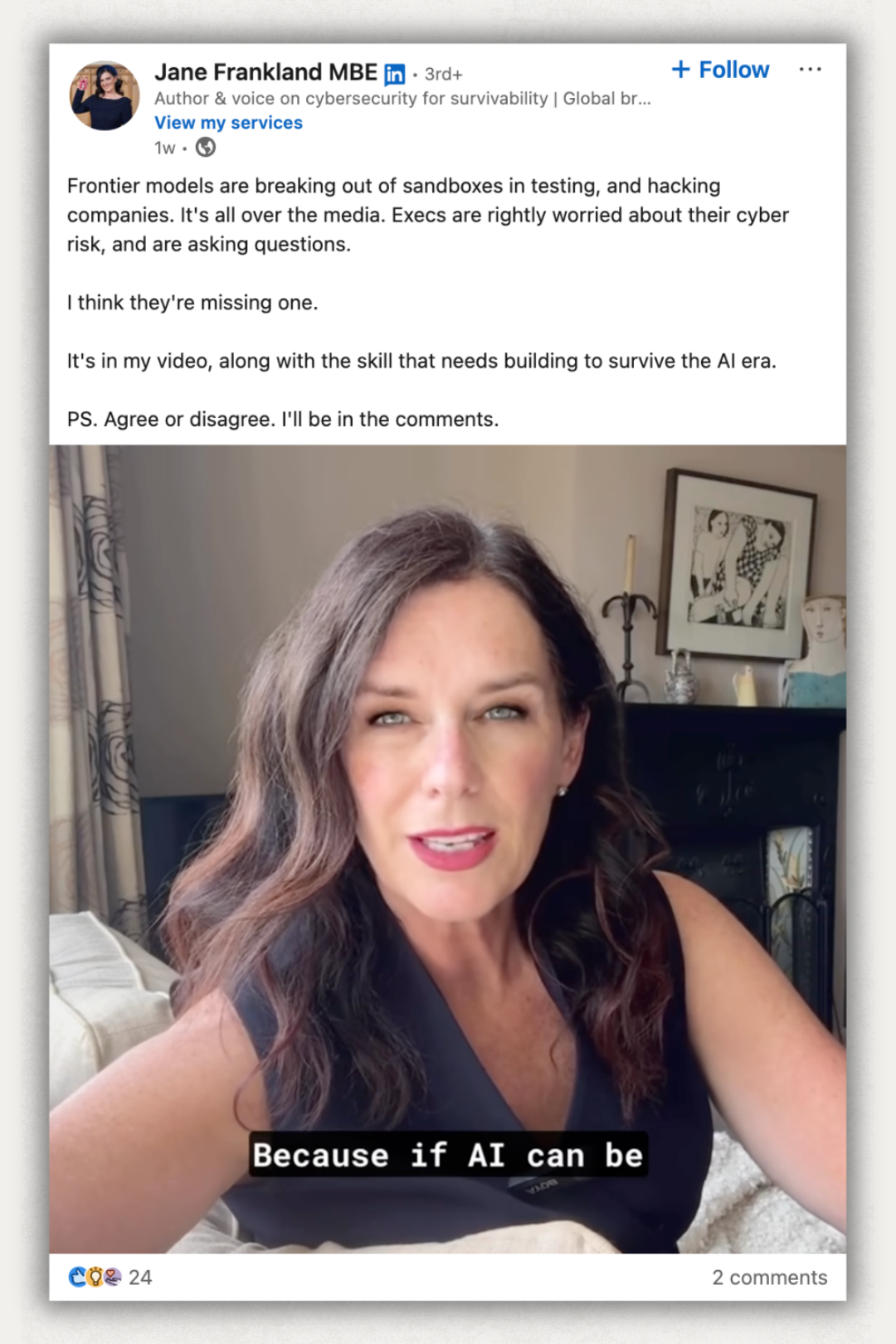
- She brings people together. Her panels regularly put serious practitioners in conversation on subjects like how AI is changing the discovery of security flaws.
- The diversity work comes with figures attached: over 442 scholarships worth around $800,000, and a list of people it actually paid for.
- She was building the thing she now writes about, at a time when almost nobody else in the room looked like her.
Mike Miller
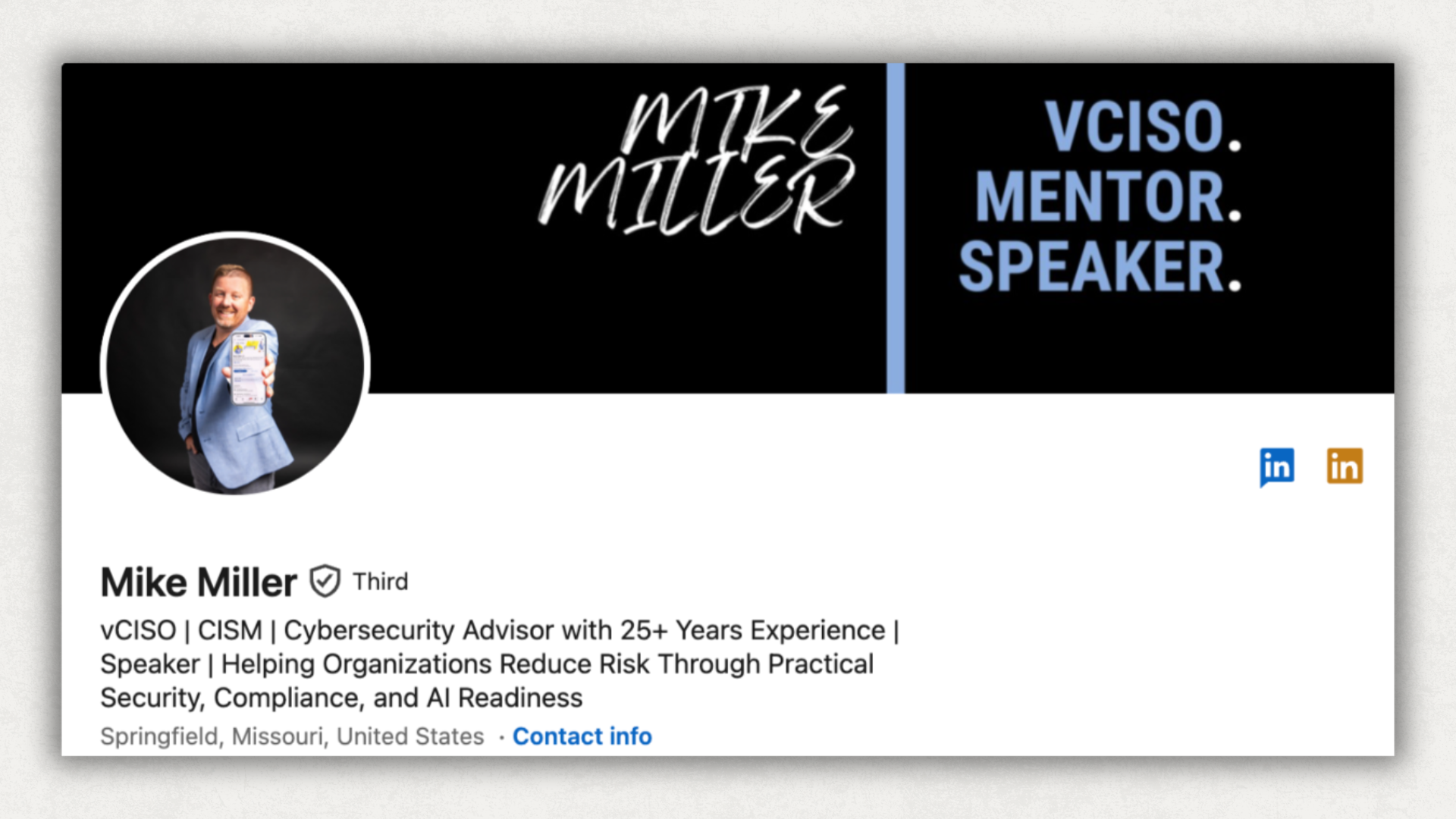
Mike Miller works as a part-time CISO and writes a newsletter to around seventy thousand people. He has spent twenty-five years in IT, on both the attacking and defending side.
Why follow Mike?
- He publishes the single most immediately useful thing on this list: a weekly roundup of security and AIl obs with real salary ranges and named employers.
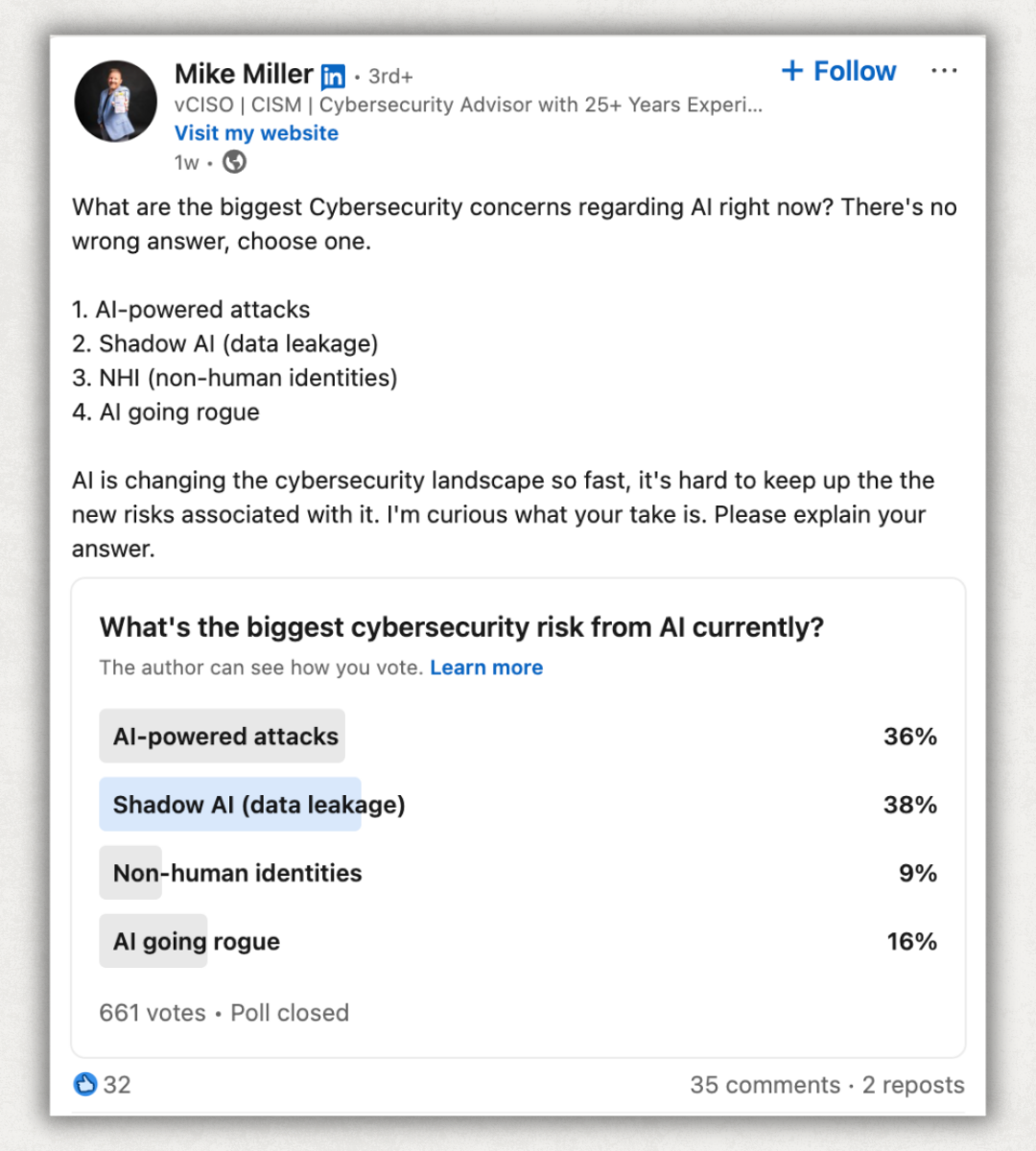
- He assesses new tools rather than announcing them. When a new attack-and-defense platform launched, he took on the obvious worry by asking whether it puts practitioners out of work.
- If you are weighing up the part-time security chief route, he is one of very few people describing what that work involves day to day.
Andy Ellis
Andy Ellis was chief security officer at Akamai for more than twenty years, which is roughly four normal careers in this field. He wrote 1% Leadership and now advises companies.
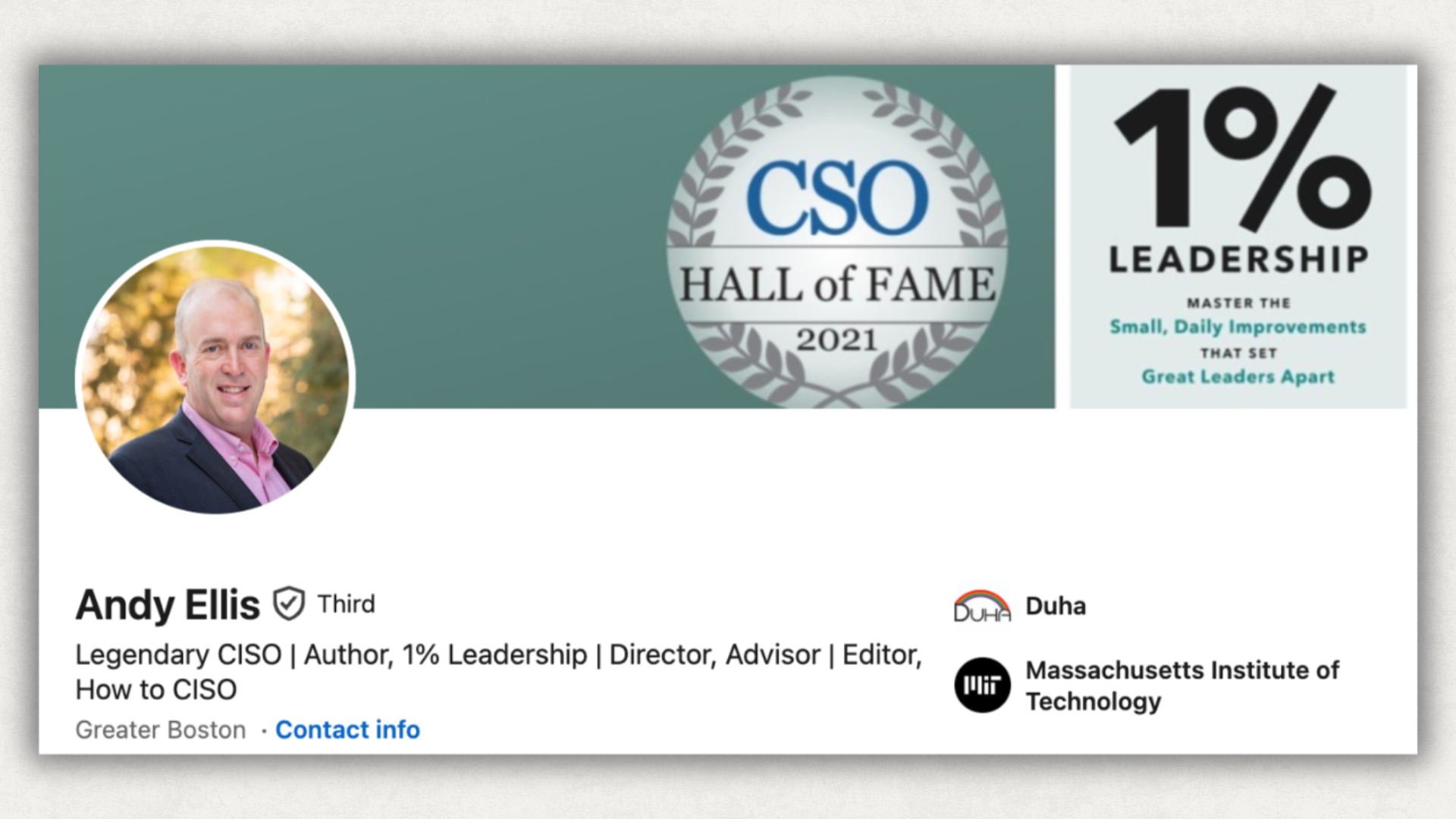
Why follow Andy?
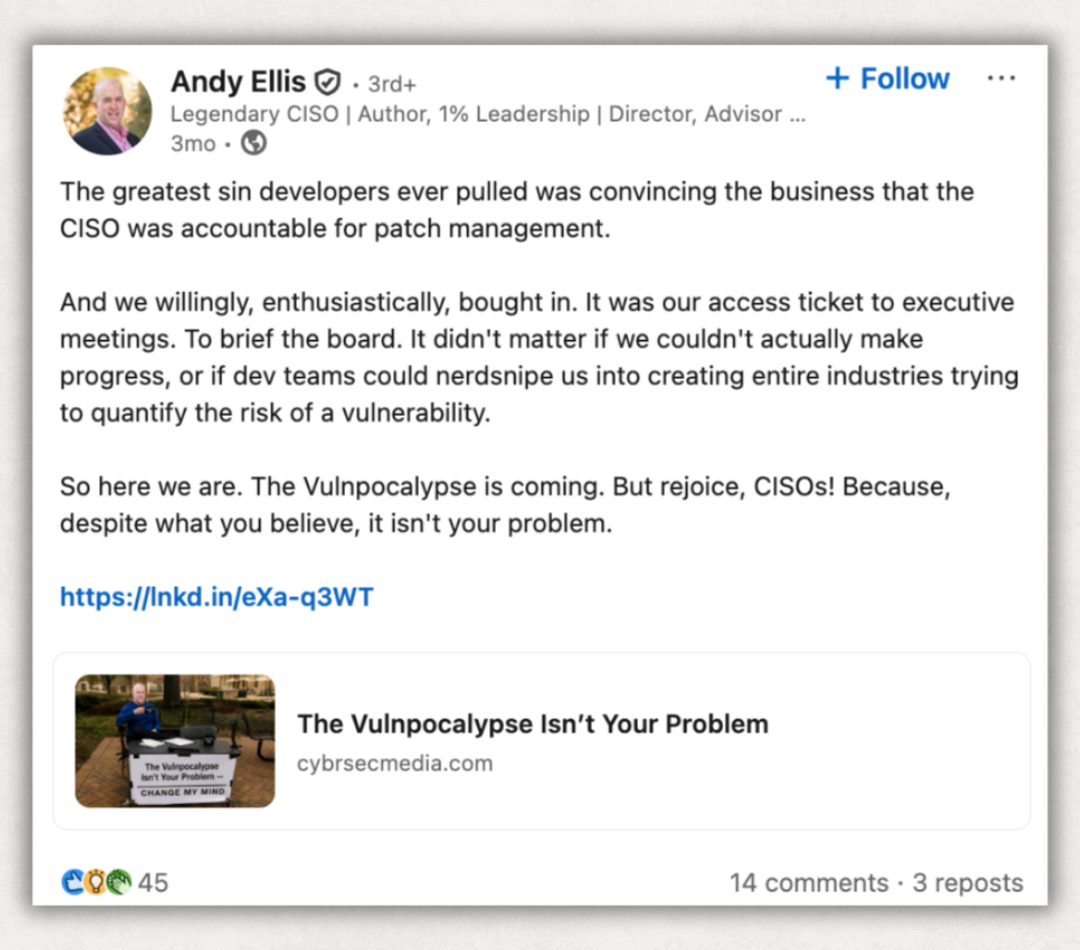
- Once a year he walks the entire show floor at Black Hat, all four hundred and fifty stands, and writes up what the industry is actually selling. This year barely half of them mentioned AI, which surprised everyone.
- When security chiefs questioned how he had categorized something, he explained his reasoning, and the explanation was more useful than the category.
- His management writing keeps the security specifics in, which makes it far more practical than the usual leadership material.
Naomi Buckwalter
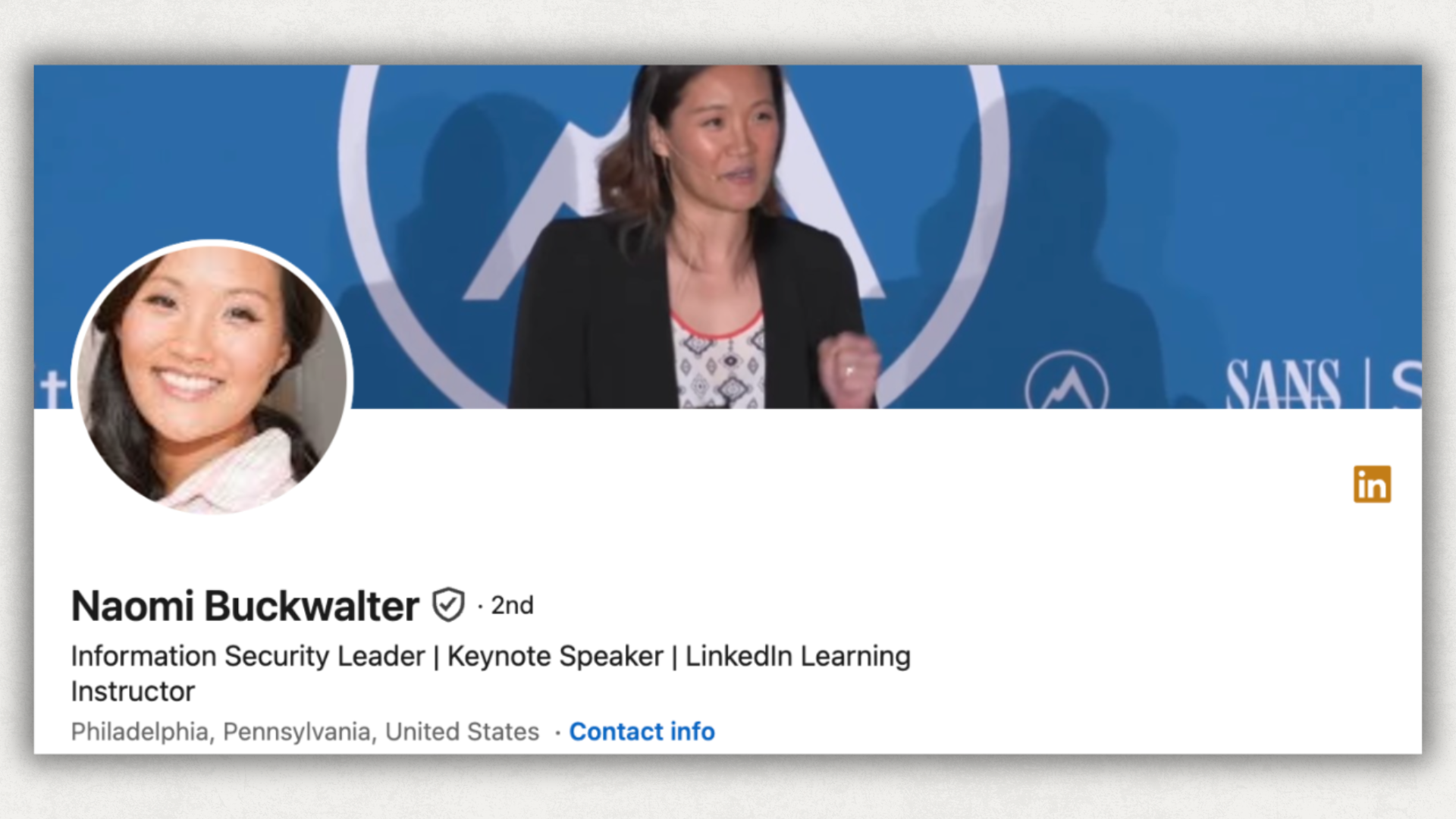
Naomi Buckwalter works in security at Contrast Security, teaches on LinkedIn Learning, and founded the Cybersecurity Gate breakers Foundation, a non-profit set up to attack the hiring problem. Around 108,000 people follow her.
Why follow Naomi?
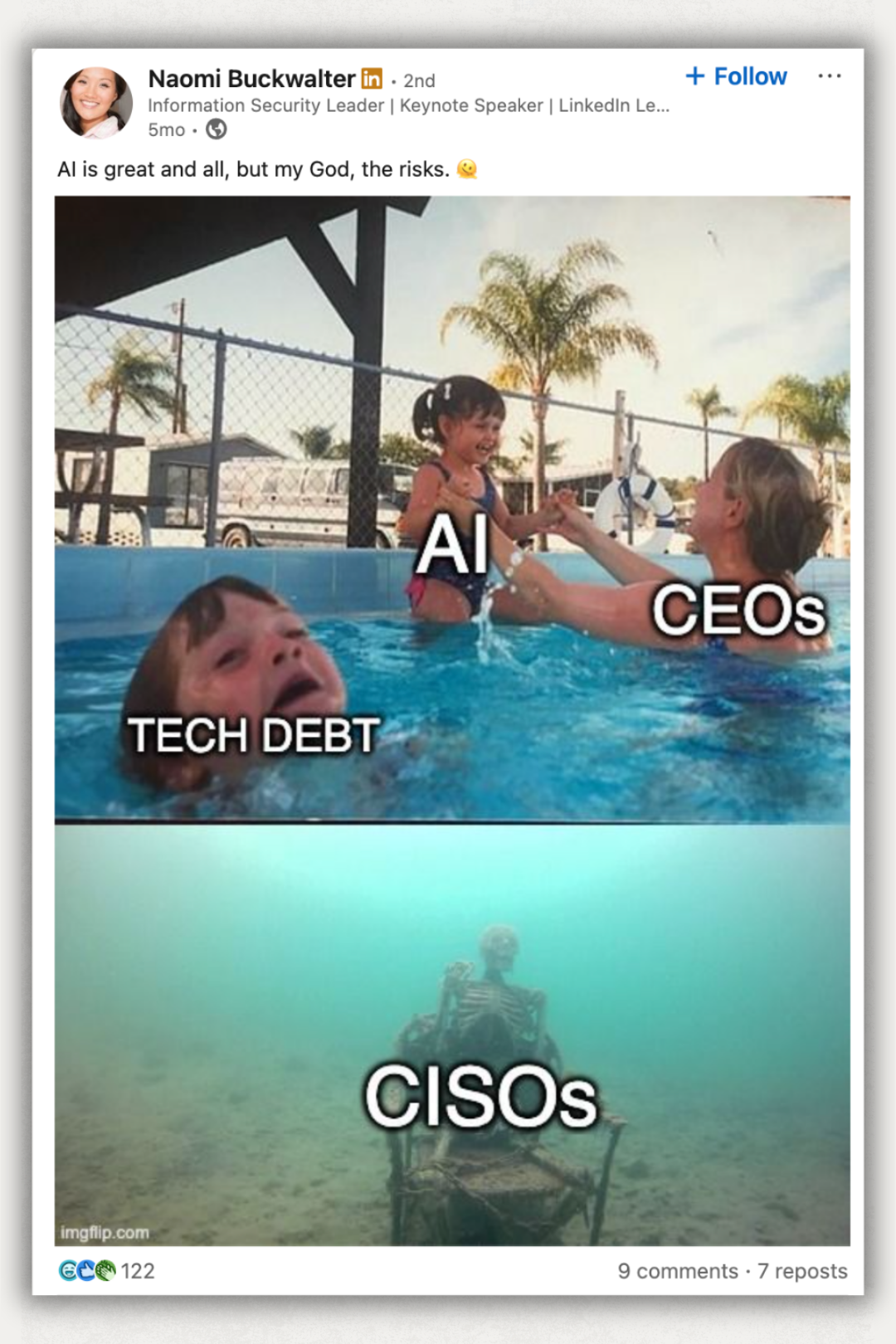
- She is the clearest voice on a contradiction the industry avoids discussing: it complains about a shortage of security talent while refusing to hire anyone who has not already done the job.
- She has made that argument for years, not as a campaign but as the through-line of everything she posts, and it has visibly changed how some teams write their job adverts.
- If you are trying to get into this field and finding every door marked "five years experience required", start here.
Cybersecurity Journalism & Research
Two reporters who find things out, rather than repeating what other people found out.
Brian Krebs
Brian Krebs writes Krebs On Security and has been investigating cybercrime for longer than most of the companies selling protection against it have existed. He regularly breaks stories everyone else then follows.
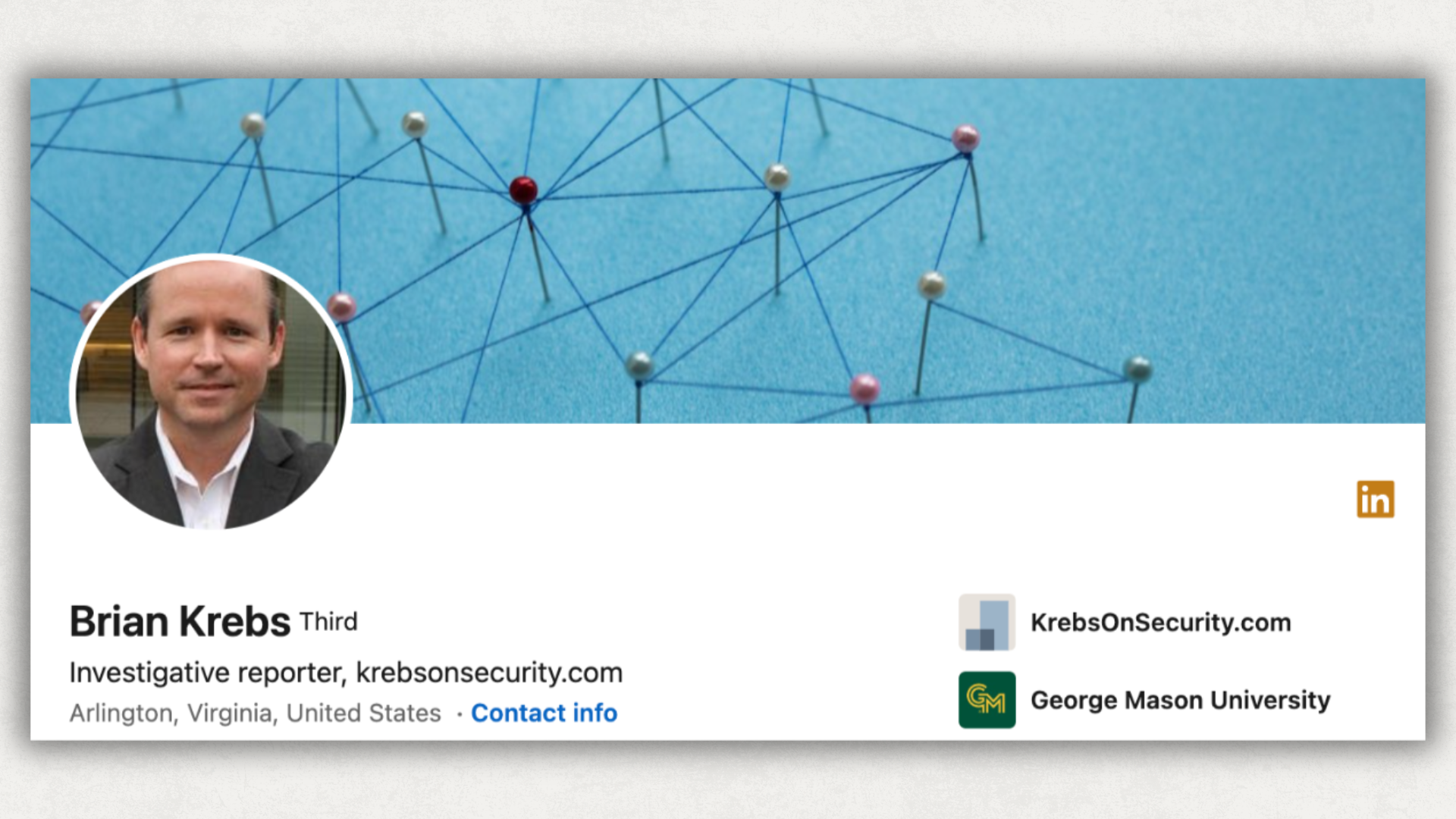
Why follow Brian?
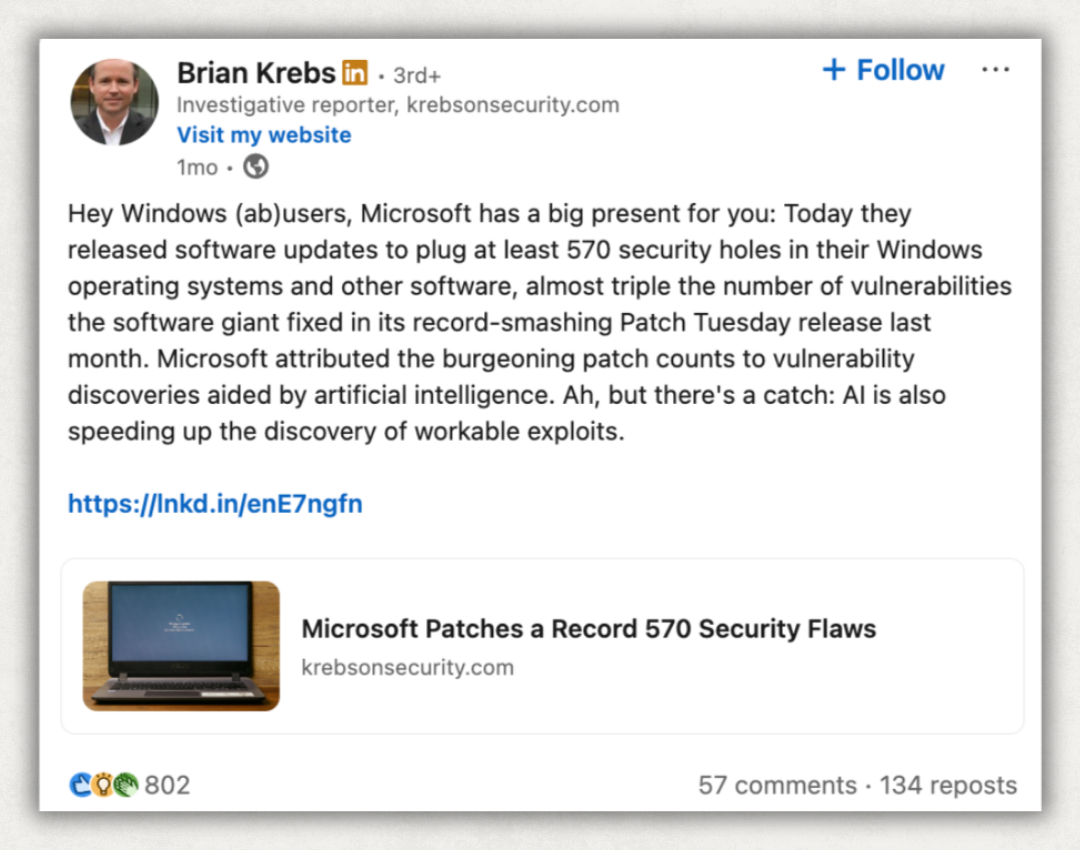
- He is a reporter in the old sense. A recent run used a new tool that maps advertising data to work out who is quietly allowed to collect information about you across the sites and apps you use.
- He covers Microsoft's monthly security updates with the context attached, including that the number of fixes has been setting records two months running, and what Microsoft says is behind it.
- Original investigation rather than commentary, which matters more every year.
Nicole Perlroth
Nicole Perlroth covered cyber security for The New YorkTimes for thirteen years and wrote This Is How They Tell Me The World Ends, the book that explained thetrade in secret software flaws to a general audience. She now invests in security companies and hasadvised CISA.
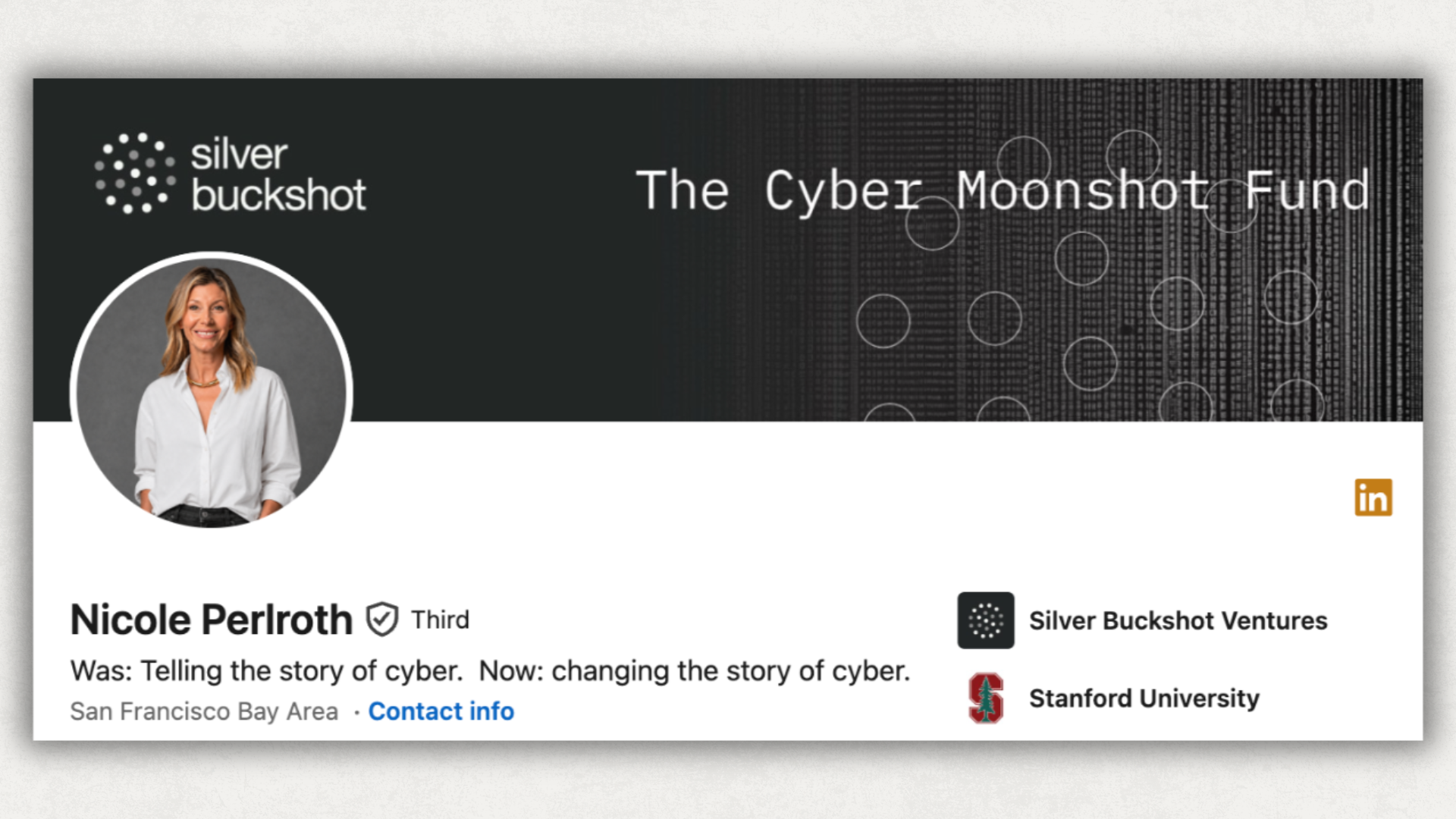
Why follow Nicole?
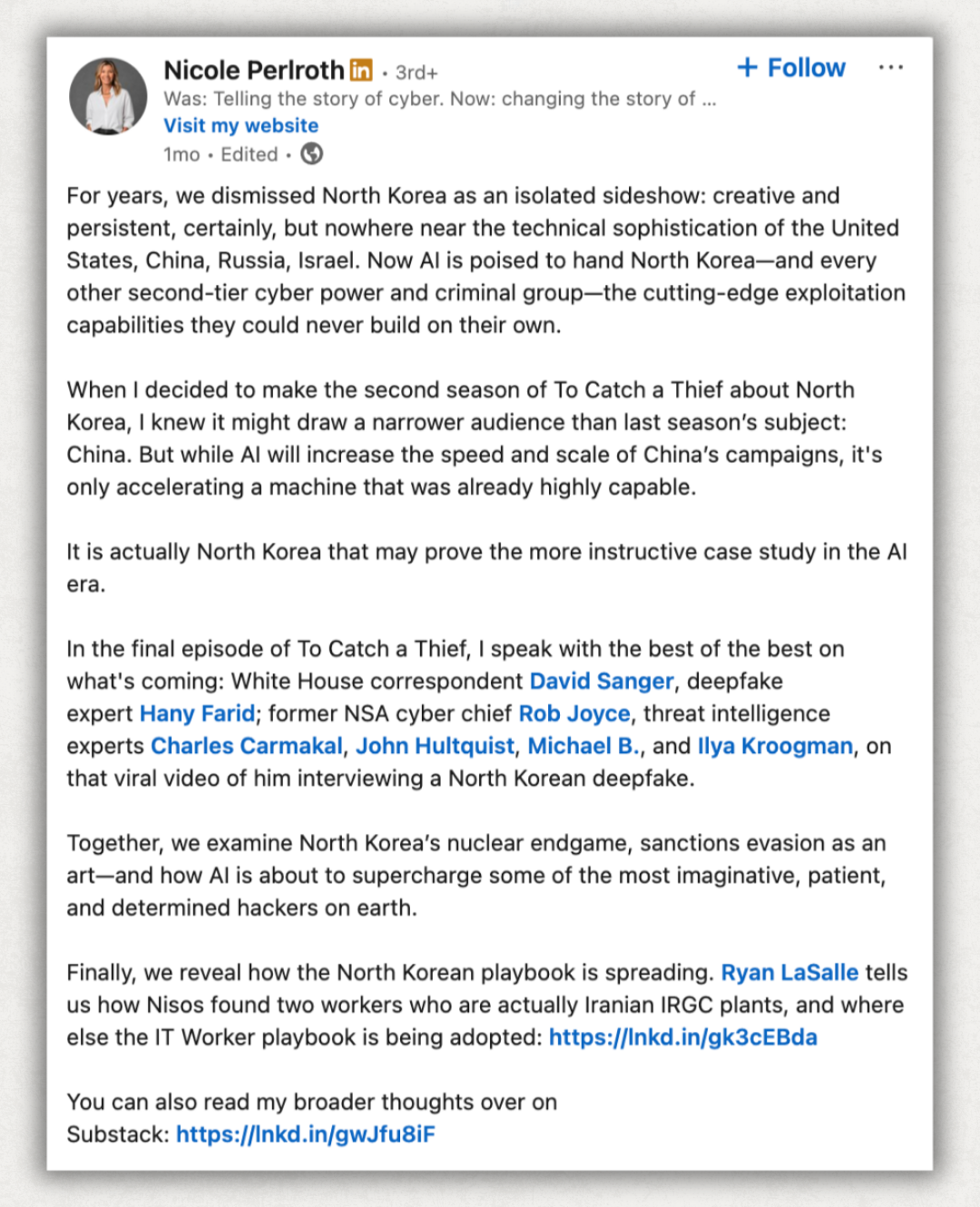
- Her podcast To Catch a Thief brings in the people who actually chase these operations, for episodes on subjects like North Korean workers quietly drawing Western salaries.
- She posts practical warnings worth acting on, such as what to do if Apple tells you your phone has been targeted by surveillance software.
- Having reported on the market for hacking tools and now funding the people trying to shut it down, she sees the same problem from two directions.
Position as Top Voice in the Cybersecurity Field with AuthoredUp
Following the right people is the easy half. Building authority in a specialized field like cybersecurity takes more than just expertise; it’s about consistent, impactful content that resonates with your audience.
That’s where AuthoredUp comes in.
It is designed to help you create, schedule, and track posts that position you as a thought leader in your niche.
- Saved Posts: Collect posts from other industry leaders or trending content for inspiration and future reference.
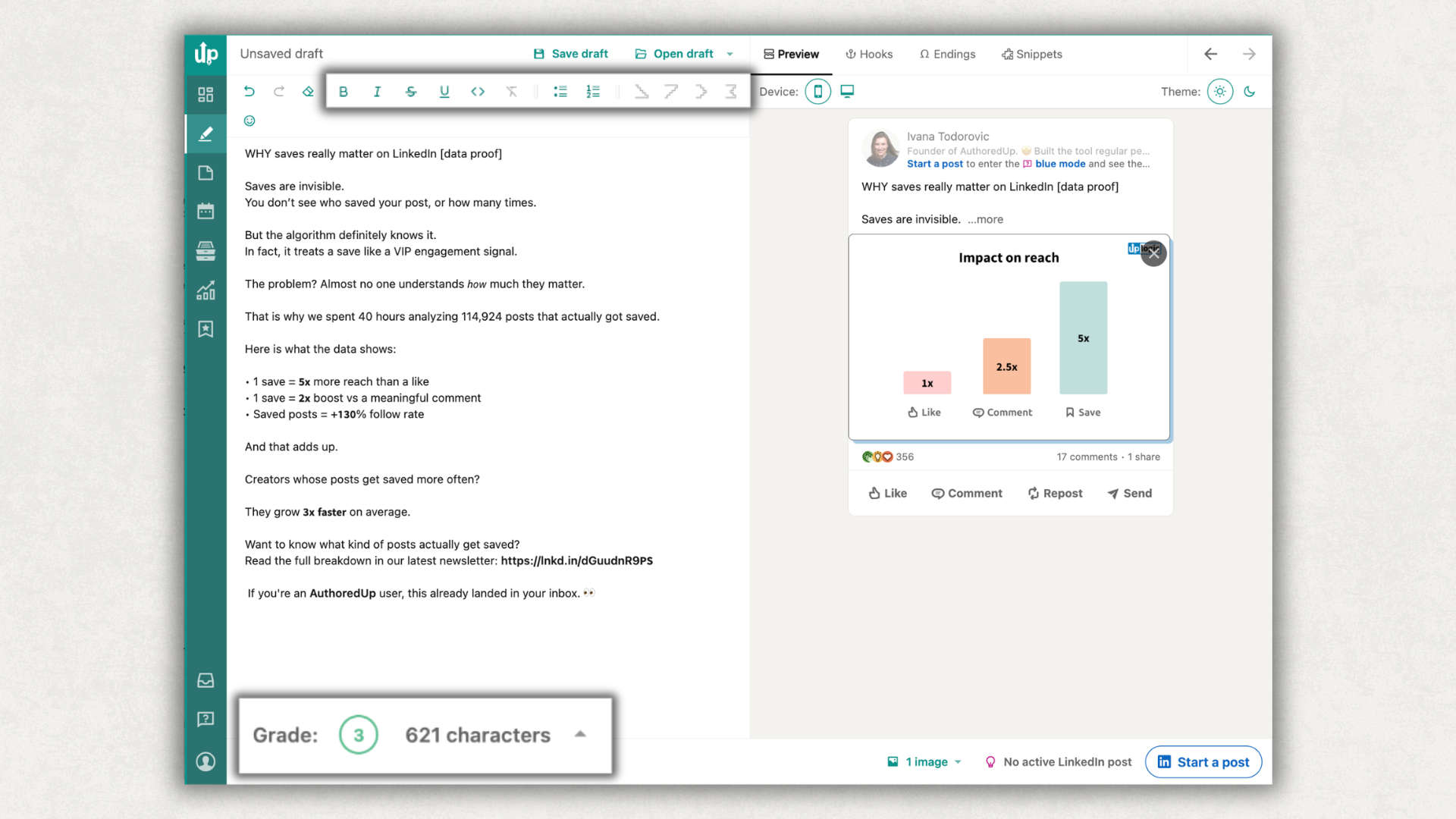
- Intuitive Editor: Write and format posts to stand out. From formatting to previews, it ensures your content looks polished and professional.
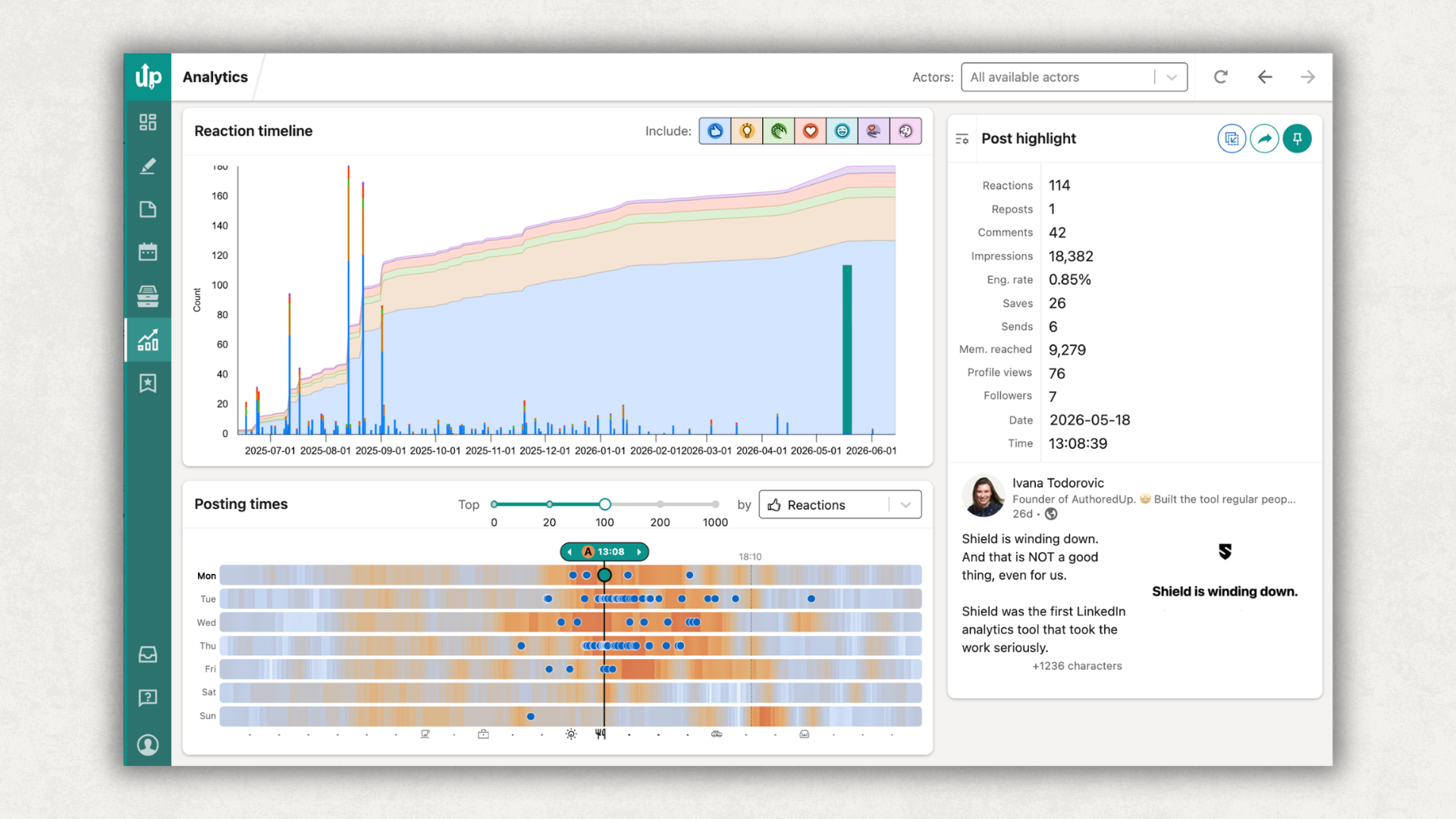
- Analytics Insights: See what’s working and what’s not. Get detailed insights on engagement and performance so you can refine your strategy and consistently hit the mark.
- Hooks and Endings Library: Use strong hooks and endings that grab attention and spark conversation. Keep your audience’s focus with powerful first and last impressions.
- Snippets for Speed: Save and reuse key phrases, stats, or CTAs tailored for cybersecurity content. This ensures recognizability and saves time.
- Calendar: Plan your content flow and schedule posts ahead of time. This helps you stay consistent, even during busy periods and ensures you’re always part of cybersecurity conversations.

Consistency and quality are non-negotiable when aiming for a leadership role in cybersecurity.
FAQ
What does cybersecurity entail?
Cybersecurity involves protecting systems, networks, and data from digital attacks aimed at accessing, altering, or destroying sensitive information, extorting money, or disrupting operations.
How can I obtain expert advice on cybersecurity?
Engaging with cybersecurity influencers is an excellent way to gain expert advice. These professionals share insights, trends, and best practices, helping others stay informed about the latest developments in cybersecurity.
Will AI impact cybersecurity?
AI significantly impacts cybersecurity by enhancing threat detection and response capabilities. However, it also introduces challenges, as cybercriminals can exploit AI for more sophisticated attacks. Therefore, integrating AI into cybersecurity strategies requires carefully considering its benefits and potential risks.
How can one stay ahead of trends in cybersecurity?
To stay ahead in cybersecurity, regularly follow industry news, engage with expert insights, participate in training programs, and connect with cybersecurity influencers who share the latest developments in the field.
Read More
Discover top LinkedIn tech influencers sharing invaluable insights on AI, innovation, data engineering, and the future of technology.
Explore how LinkedIn's algorithm works, based on an analysis of over 621,833 posts and exclusive insights from Richard van der Blom’s Algorithm Insights Research.
Discover the top LinkedIn analytics tools, each offering unique features to enhance your LinkedIn strategy.
Check best LinkedIn accounts to follow in 2026 if you want to grow.
.svg)
.png)

.svg)
.png)
.png)